

 Voyager Suite
 Breeze
 Virtuoso
 Investment Suite
 RentCafe Suite
 REACH by RentCafe
 CommercialCafe Suite
 Elevate Suite
 Procure to Pay Suite
  Energy Suite
 Aspire
 RightSource
 Care Suite
 Matrix
 Yardi Kube Suite
 ScreeningWorks Pro
  Yardi Corom

















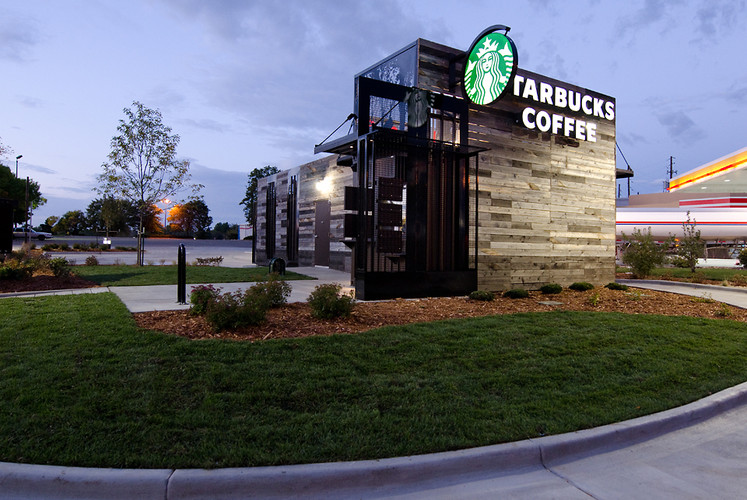
The demand for sustainable retail properties is growing, demonstrated by an influx in applications at accreditation organizations, top tier rents, and high trade rates.
According to Lux Research, green building is now a $260 billion market with retail as one of its most vigorous verticals. Green building certification programs such as LEED for Retail have witnessed an increase in applications.
The “LEED in Motion: Retail” report states that more than 8,000 retailers worldwide participate in LEED and more than 1.2 million people experience a LEED-certified retail space on a daily basis. Participating companies include Target, Kohls, Bank of America, and Starbucks, which recently celebrated its 500th LEED-certified store. The transition towards greener retail spaces corresponds with reports that retailers with LEED Gold certification or greater outperform their conventional neighbors.
Studies by Nils Kok, Ph.D., executive director of the Global Real Estate Sustainability Benchmark (GRESB) suggests that sustainable office buildings trade at a 13 percent premium over conventional buildings. Green office structures also receive rental rates that are at least three percent higher than their conventional counterparts.
“We found that LEED-certified and Energy Star-rated office buildings financially outperform their non-green peers in terms of rental rates and occupancy rates,” says Kok.
For new developments, state and federal programs offer subsidies and other incentives to green retailers, helping to raise such projects’ internal rates of return by as much as six percent in less than 15 years.
While there are certainly owners who pay top dollar for green retail spaces because they prioritize the environment, financial and social pressure are contributing factors behind the growth in sustainable retail popularity. Publicly-traded REITs face pressure from investors to achieve optimal energy efficiency in order to reduce operating costs and increase returns.
Pressures come on a larger scale as well. An increasing number of cities, states, and countries are implementing mandatory reports on energy consumption, encouraging owners to pursue sustainable practices. Germany’s EnEv 2009, for example, resulted in 50 million m2 of green building space, or about 36 percent of all new construction in the country in 2013.
In California, owners must undergo energy evaluations and disclose their energy score before signing a new lease, selling a property, or applying for financing. Buildings with higher scores are seen as a better investment due to their lower operating costs and optimal resale value, as well as higher, quicker ROIs. It is likely that retail spaces with higher scores will also qualify for better financing.
Retail was one of the slowest sectors pick up speed, finally reaching the previous cycle’s peak this quarter. Green retail has helped to lead the recovery and is steadily paving the way for the sector’s future.