


 Voyager Suite
 Breeze
 Virtuoso
 Investment Suite
 RentCafe
 CommercialCafe Suite
 Elevate Suite
 Procure to Pay Suite
  Energy Suite
 Aspire
 RightSource
 Care Suite
 Matrix
 WorkCafe
 Yardi Kube Suite
 ScreeningWorks Pro
  Yardi Corom



















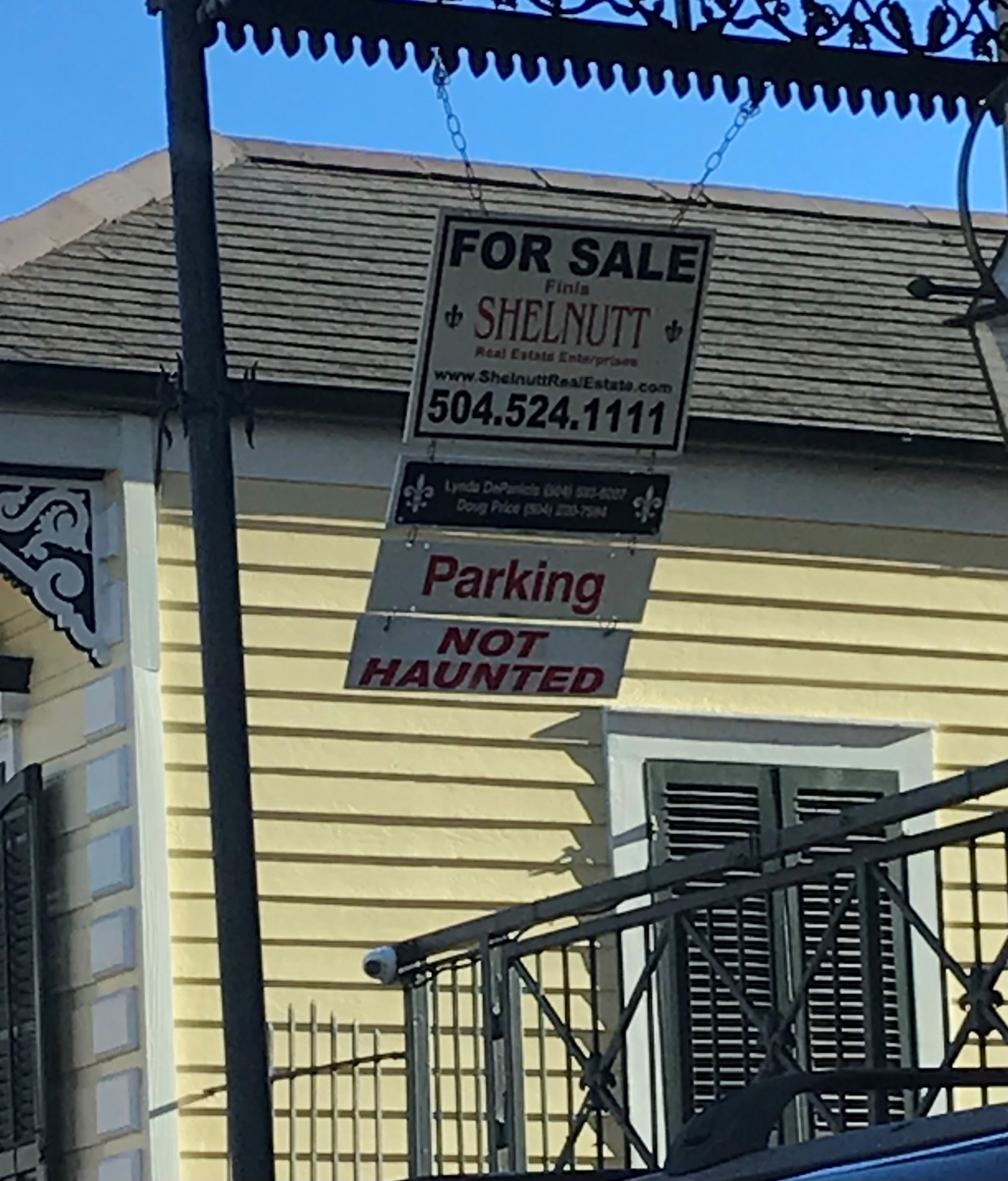
Halloween is around the corner and got us thinking some spooky thoughts—the market for “probably haunted” real estate. In New Orleans, “haunted” properties are so common that some properties include “not haunted” tags on their For Sale signs. Let’s delve into some practical advice for individuals interested in purchasing a potentially haunted property.
In a recent article, a funeral home in Massachusetts was listed. Instead of the traditional “for sale” sign, the real estate agent decided to pique the interest of paranormal enthusiasts and staked a sign outside that read “probably haunted.” Is the property haunted? Nobody can know for sure, but given the history, it’s a possibility.
Every state differs on what is to be disclosed to buyers. Material defects such as a leaky roof or older HVAC systems are disclosed, but life gets a bit more interesting when the house’s flaws may be tragic, gruesome or paranormal. A murder-suicide inside the house is considered a psychological stigma and does not constitute a material defect. One caveat is that a seller cannot misrepresent a property’s history. If asked about crime scenes or family tragedies, a seller must be truthful.
Buyer Beware: We are Haunted. Caveat emptor is a common law doctrine that places the burden on the buyers to reasonably examine property before purchasing. A buyer who fails to meet this burden cannot recover for defects in the product that would have been discovered had this burden been met. Buyers need substantial “due diligence,” especially if the price of the home is “too good to be true.” Knock on the neighbor’s door or hire a medium, because you’ll likely never know if you don’t ask. Research local town legends and the historical records of the building, especially if it is a particularly older home.
For example, in the early 1990s in New York, Jeffery Stambovsky entered a contract to purchase Helen Ackley’s home. At the time of the contract, neither the seller nor the real estate agent mentioned the reputation of the home being haunted, though neighbors knew. The seller had reported ghosts in the home and even told the newspapers that the house was haunted. The village even included the home in its haunted ghost tour and described it as one with a riverfront and a ghost. Ultimately, the court ruled the property was haunted “as a matter of law,” which barred the seller from disavowing the poltergeist’s existence in the home. Nowadays, with data and a quick search online, buyers can instantly see reports of any history or ghosts being reported. Social media also flies as quickly as spiritual ghouls phasing effortlessly through obstructions.
Ghosts, paranormal activity and even death, create a different phenomenon called “stigmatized property” in real estate. Stigmatized properties refer to properties that buyers find undesirable for emotional or psychological reasons. Some refuse to live in a house with ghosts even when the home’s costs have been significantly reduced. This causes homes to become psychologically impacted, which makes selling these properties difficult. Sellers can flip haunted homes into a business opportunity, market the property as a haunted house, and invite guests, including paranormal hunters, into the building for ghost tours. When purchasing a stigmatized property, buyers could find additional solutions to solve their ghostly problems if the sellers unearthed that fact beforehand.
So, grab some white sage and chant, “Ghost arisen in our new home, we call upon thee to rest,” and remember to always research before purchasing a probably haunted property to find out if these ghosts are genuine hauntings or urban legends.