


 Voyager Suite
 Breeze
 Virtuoso
 Investment Suite
 RentCafe Suite
 REACH by RentCafe
 CommercialCafe Suite
 Elevate Suite
 Procure to Pay Suite
  Energy Suite
 Aspire
 RightSource
 Care Suite
 Matrix
 Yardi Kube Suite
 ScreeningWorks Pro
  Yardi Corom

















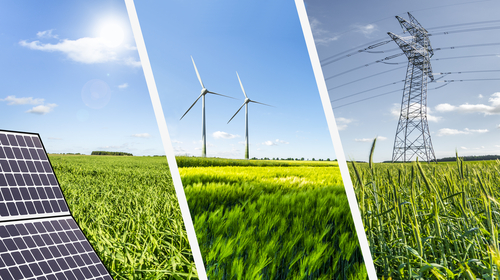
The U.S. Energy Information Administration distributes information on energy-related trends and milestones. Here’s a sampling of recent postings from the EIA’s Today in Energy news and information resource.
Renewables on the rise
The EIA projects that electricity generation from renewable sources such as wind and solar will surpass nuclear and coal by 2021 and natural gas in 2045. Most of the growth in renewable electricity generation comes from wind and solar, which account for about half of renewable generation today.
These technologies will account for nearly 80% of the renewable total in 2050. New wind capacity is expected to continue at much lower levels after production tax credits expire in the early 2020s. Growth in solar photovoltaic (PV) capacity will continue for both utility-scale and small-scale applications through 2050 because of declining PV costs.
In April 2019, U.S. monthly electricity generation from renewable sources exceeded coal-fired generation for the first time.
Wind blows by hydro
In 2019, annual wind generation exceeded hydroelectric generation as the top renewable source of energy generation in the U.S. for the first time. Wind generation totaled 300 million megawatthours (MWh) in 2019, exceeding hydroelectric generation by 26 million MWh.
Energy consumption heats up
World energy consumption will grow nearly 50% by 2050, with the growth focused in regions where strong economic growth is driving demand, particularly Asia.
The industrial sector, including refining, mining, manufacturing, agriculture and construction, will account for more than half of end-use energy consumption through 2050, by which time global industrial energy consumption will reach about 315 quadrillion British thermal units (Btu).
Transportation energy consumption is slated to increase nearly 40% by 2050 and is largely driven by developing countries with non-market economies.
Energy consumed in the buildings sector, which includes residential and commercial structures, is expected to increase 65% between 2018 and 2050, from 91 quadrillion to 139 quadrillion Btu. Rising income, urbanization, and increased access to electricity will drive energy demand.
Natural gas growth continues
U.S. natural gas production grew by 9.8 billion cubic feet per day in 2019, a 10% increase from 2018. As natural gas production increased, the volume of natural gas exports, both through pipelines and as liquefied natural gas (LNG), increased for the fifth consecutive year.
Did you know that some Yardi employees are credentialed as Certified Energy Managers by the Assn. of Energy Engineers? They can help property management organizations maximize value from software solutions that automate energy monitoring, adjustments and analytics. Learn more.