


 Voyager Suite
 Breeze
 Virtuoso
 Investment Suite
 RentCafe Suite
 REACH by RentCafe
 CommercialCafe Suite
 Elevate Suite
 Procure to Pay Suite
  Energy Suite
 Aspire
 RightSource
 Care Suite
 Matrix
 Yardi Kube Suite
 ScreeningWorks Pro
  Yardi Corom

















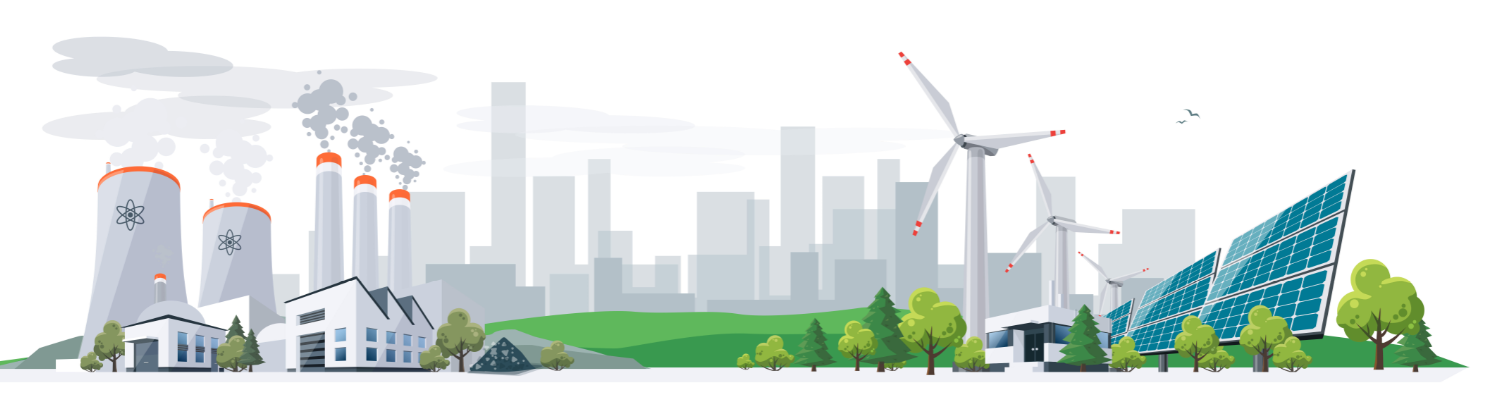
What’s the future of worldwide energy consumption? A recently published study of international energy markets through 2050 offers some clues.
The U.S. Energy Information Administration (EIA), the U.S. Department of Energy’s statistical and analytical agency, conducts annual long-term assessments of world energy markets. The EIA characterizes its compilation of current trends and relationships among supply, demand and prices in the future as “a reasonable baseline case to compare with cases that include alternative assumptions about economic drivers, policy changes or other determinants of the energy system.”
Here are some projections from International Energy Outlook 2019:
Global consumption
- World energy consumption will grow nearly 50% between 2018 and 2050, with most of this expansion coming from regions where strong economic performance is driving energy consumption. Asia represents the largest and fastest-growing region for energy consumption.
- The shift of manufacturing centers to Africa and South Asia, especially India, will spur energy consumption. The industrial sector, including mining, manufacturing, agriculture and construction, will account for more than 50% of global end-use energy consumption between 2018 and 2050.
- Buildings’ share of the world’s delivered energy consumption will increase from about 20% in 2018 to 22% in 2050.
Renewable energy
- Renewables (including hydropower) will be the fastest-growing source of electricity generation until 2050, rising by an average of 3.6% per year. Wind and solar will account for over 70% of total renewables generation by 2050.
- Electricity generation from wind and solar sources will represent renewable energy sources’ biggest increases until 2050, reaching 6.7 trillion and 8.3 trillion kilowatt-hours (kWh), respectively, as these technologies become more cost competitive and receive support from government policies in many countries.
- Worldwide renewable energy consumption will increase 3% per year to 2050. Nuclear consumption will increase 1% per year.
- Hydropower’s share of renewables generation will fall from 62% in 2018 to 28% in 2050 because resource availability in Organization of Economic Cooperation and Development (OECD) countries and widespread environmental concerns limit the number of new mid- and large-scale projects. (OECD is a 36-member group of countries with market economies.)
Electricity
- Electricity generation will increase 79% until 2050, with consumption increasing in all end-use sectors.
- On average, consumption of electricity in more-developed OECD economies and developing non-OECD economies will grow 1% annually until 2050, while non-OECD consumption will grow 2.3% annually.
- Electricity will remain the main source of marketed energy consumption in the residential sector. Its use will grow by 2.5% per year globally as rising populations and standards of living in non-OECD countries increase demand for appliances and personal equipment.
- The transportation sector will consume more electricity as more plug-in electric vehicles enter the fleet and as electricity use for rail expands. Petroleum and other liquid fuels will remain the principal transportation fuel, however.
Petroleum and liquids
- As a share of primary energy consumption, petroleum and other liquids will decline from 32% in 2018 to 27% in 2050. On an absolute basis, liquids consumption will increase in the industrial, commercial and transportation sectors and decline in the residential and electric power sectors.
- Residential natural gas consumption will grow by 0.7% per year, influenced by increasing use of the fuel for heating.
Read the full International Energy Outlook 2019 report. Learn how Yardi technology contributes to energy conservation and sustainability initiatives.