


 Voyager Suite
 Breeze
 Virtuoso
 Investment Suite
 RentCafe
 CommercialCafe Suite
 Elevate Suite
 Procure to Pay Suite
  Energy Suite
 Aspire
 RightSource
 Care Suite
 Matrix
 WorkCafe
 Yardi Kube Suite
 ScreeningWorks Pro
  Yardi Corom



















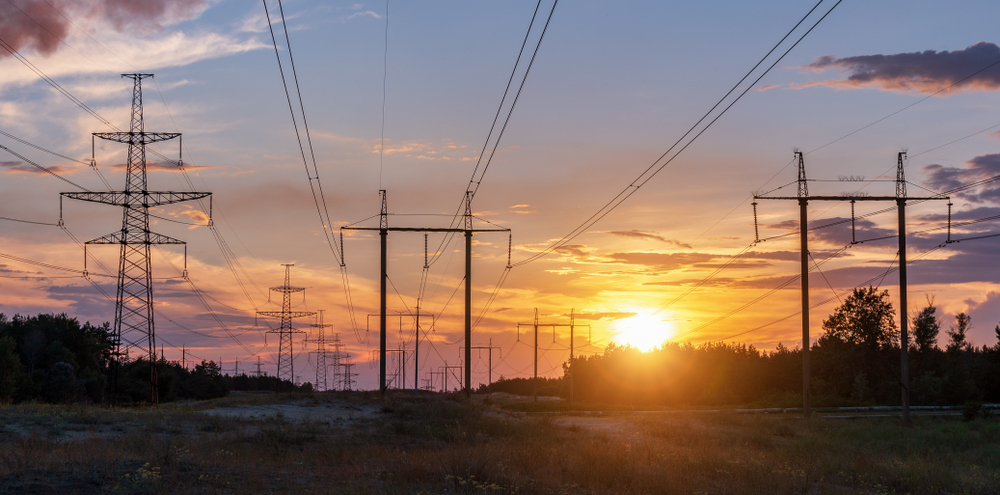
In July, parts of the U.S. saw record demand for electricity, d riven by higher temperatures pushing up power usage. Pennsylvania-based regional transmission organization PJM Interconnection LLC reported 144,557 megawatts of demand on July 3, the highest level in almost two years. Power usage in New York City reached its highest level since 2013 the previous day, July 2.
On the other coast, more than 80,000 Southern California residents lost power on the July 7-8 weekend as a heat wave caused problems with distribution system equipment.
Meanwhile, ERCOT, the grid operator for most of Texas, expects to set a new peak demand record this summer. Resource capacity should allow the grid to operate reliably, but unexpected outages to major generators could prompt demand-side management measures, including potential emergency load shedding.
Strain on the grid has obvious implications for property managers, since the residential and commercial sectors account for about 39% of total U.S. energy consumption and more than two-thirds of the electricity used nationwide.
Summer heat and havoc it wreaks on the power grid is one reason many property owners seek to incorporate energy efficiency as a core business tenet. One resource in that effort is the Green Lease Leaders program, which encourages lease terms that give both landlords and tenants a stake in adopting building efficiency practices and investments. The Institute for Market Transformation, which administers the Green Lease Leaders program with the U.S. Energy Department’s Better Buildings Alliance, estimates that green leasing could help reduce utility bills by up to $0.51 per square foot (22%) in U.S. office buildings alone; if all leased office buildings executed green leases, the market could achieve over $3 billion in annual energy costs savings.
In June, IMT and Better Buildings Alliance recognized companies that incorporated innovative energy efficiency and sustainability standards into leases over the past year. The group included Kilroy Realty Corp., Prologis, Triovest, CommonWealth Partners, Federal Realty Investment Trust and Kimco Realty.
The cumulative floor area of all Green Lease Leaders participants in the commercial, industrial and retail sectors exceeds 1.8 billion square feet.
“As building owners, developers, tenant companies and other real estate decision-makers strive to keep up with evolving market pressures, leading-edge companies are using the lease as a powerful instrument to create higher-performing buildings that not only save energy and money but also provide healthier work environments,” Cliff Majersik, executive director for IMT, said in a news release, adding that the Green Lease Leaders program has put a “much-needed spotlight on the growing number of innovative firms that use their lease to achieve ambitious energy, sustainability and business goals.”
By optimizing building equipment and operations, the Yardi Smart Energy Suite helps property owners meet the criteria set by Green Lease Leaders and other sustainability programs.