


 Voyager Suite
 Breeze
 Virtuoso
 Investment Suite
 RentCafe Suite
 REACH by RentCafe
 CommercialCafe Suite
 Elevate Suite
 Procure to Pay Suite
  Energy Suite
 Aspire
 RightSource
 Care Suite
 Matrix
 Yardi Kube Suite
 ScreeningWorks Pro
  Yardi Corom

















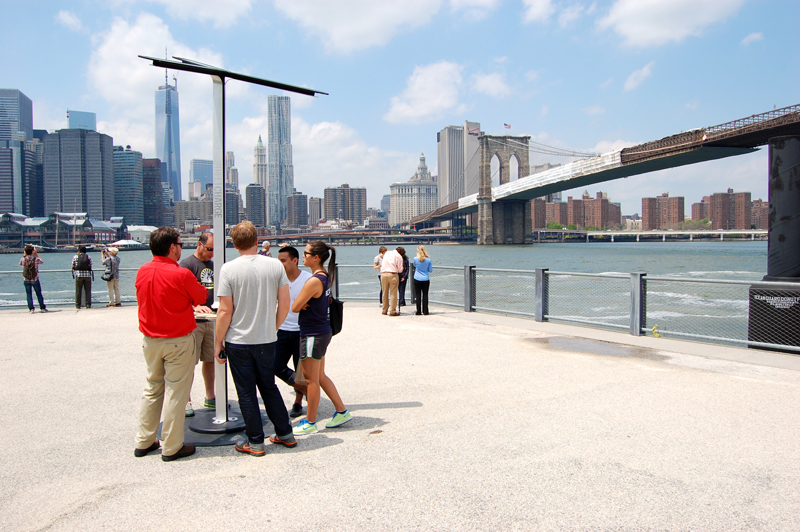
When Hurricane Sandy hit the East Coast, widespread loss of power for significant periods of time – and the need to receive updated emergency information and communicate with colleagues and loved ones – created the perfect storm for smartphone users. Their limited ability to recharge phone power supplies was a major source of stress and concern.
After the storm, the issue motivated a search for creative ways to supply remote electricity.

Following the storm, cell phone provider AT&T saw the overwhelming need people had to charge their phones and supplied diesel generators and cell towers on wheels to those hard hit by its fury. Builders realized that electrical systems are wrongly situated in the basements and should be built on higher levels due to flooding hazards. The same goes for telecommunications equipment.
AT&T has found and financed the way to support the developers of creative power supply alternatives for mobile devices. Less than a month ago it put into practice a system that will keep New Yorkers connected, for free. After it won the approval from the officials from the city’s Parks Department, Street Charge was brought to Big Apple’s citizens for testing. The project is the result of the joint forces of AT&T with Goal Zero, the firm that makes portable solar chargers, and Pensa, the Brooklyn design studio that’s been experimenting with designing street chargers.
For this pilot project, 25 solar-powered charging stations have been placed in parks, beaches and other public outdoor spaces throughout the five boroughs. These 12.5-foot steel poles, with three petal-shaped 15-watt solar panels unfolding on top, can charge up to six devices at a time, with ports for iPhones, Androids, BlackBerrys, and standard USB changing cables, indifferent of the carrier. They are designed to operate at temperatures ranging from 32 to 104 F, with a pack capacity of 168Wh.
In case you’re wondering how much time will be spent at these locations, we would say that consumers know precisely how much of a charge they need to power their device for a specific distance (for a commute home) or how much time they need to keep their device plugged in. Through the Street Charge stations one needs 30 minutes to add a 30 percent charge and two hours to fill a smartphone completely. The project costs $300,000 to $500,000 and if it proves to be successful, it will expand to other cities as well.