


 Voyager Suite
 Breeze
 Virtuoso
 Investment Suite
 RentCafe Suite
 REACH by RentCafe
 CommercialCafe Suite
 Elevate Suite
 Procure to Pay Suite
  Energy Suite
 Aspire
 RightSource
 Care Suite
 Matrix
 Yardi Kube Suite
 ScreeningWorks Pro
  Yardi Corom

















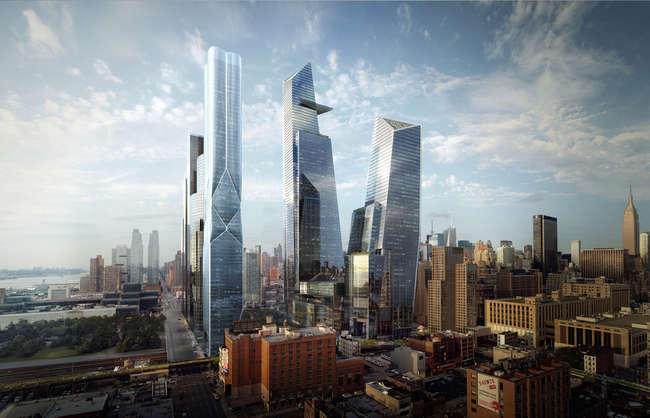
The boom in high-rise construction signals a new era of success in multi-family housing. Critics, however, believe that the influx of luxury towers could lead to cities plagued by costly giants.
The rise in land prices serves as a catalyst in the vertical construction trend. Reports by Zelman and Associates and The Federal Reserve Bank of Chicago indicate that US land values increased between 13 and 15 percent in 2012. Steep prices for small metropolitan plots have reminded builders that they are better able to accommodate the increased demand in housing by building up rather than out—and the skies offer fewer limits and greater possibilities for returns.
New high-rises are earning their keep in the market. There has been a surge in ultra-luxury housing to accommodate affluent and enterprising consumers who seek stellar views in coveted locations. Foreign investors have invested en masse in multifamily towers. Their funds reach beyond major markets into secondary markets such as Houston, Seattle, Phoenix and Hawaii.
While consumer interest and land prices undoubtedly fuel the increase in high-rise production, other market conditions prove favorable to the trend. The Bureau of Labor Statistics (BLS) indicates that the price of steel continues to decline. Steel mill product prices are down 9.5 percent since May 2012. Steel structural shapes saw a 7.1 percent decrease since May 2012.
In contrast, the cost of lumber has risen in the past year. Many mills and plants were operating at a third of their capacity during the housing slump; manufacturers were not prepared for the invigorating jolt that the real estate industry received this year. Prices catapulted. The National Association of Home Builders notes that lumber prices have steadily risen, seeing only a minor dip in recent months. With the price decreases of April and May taken into consideration, framing lumber prices are still 16.7 percent higher than they were in May 2012 and 14.4 percent higher than in May 2010.
In some cases, the decrease in steel prices and the increase in lumber costs bring the two materials within a 5 percent differential. Combined with the rising cost of land, building up is the smartest way to go. Mark Humphreys, CEO of Humphreys & Partners Architects, explained in a recent industry article:
“Let’s say you have a property on an urban infill site that costs $100 per square foot of land. Wood may cost 10 percent less than its counterpart materials, but by doing a high-rise on the site, you get double the density and the land cost is cut in half. An acre of land with a 140-unit podium structure (with land priced at $125 per square foot) would yield a land cost of about $40,000 per unit. If you took that same land and put a 300-unit high-rise on top of it, the price would be just over $18,000 per unit.”
It is a conclusion that firms across the nation have reached, resulting in proposed structures that would forever alter familiar skylines. West Philadelphia is experiencing a new wave of high-rise construction with seven projects in queue. Three of Texas’ cities top the charts for construction growth. Among them is Houston, which will see the construction of the $72 million Anderson Pavilion and the $45 million Hanover Post Oak rentals. New York City is also on the list despite its affordable housing crisis. The city cites over $20.5 billion in new construction projects in 2012, including the infamous Hudson Yards mixed-use development that will set Related Companies back $15 billion. Hudson Yards will include ultra-luxury high-rises. Even the student housing sector has witnessed an increase in sky-high construction.
Experts and residents receive the high-rise boom with mixed sentiments. The skylines of major cities are revered as national icons. Changing those skylines changes a nostalgic piece of local identity that will not be surrendered without a fight.
But the resistance goes beyond nostalgia. Critics believe that the quantity of high-rises will outnumber those who can afford to live in them. The high-rises may also outlive their own allure. Abandoned skyscrapers are a costly blight upon the cities in which they sleep. America’s neglected skyscrapers are often Art Deco wonders, reflecting a period in our history steeped with the promise of success and growth—not unlike today. Decades later, those structures have become too costly to demolish and too decrepit to revive with any semblance of ease. They tower over their cities in a state of limbo. Urban ruins are not solely an American issue. From Torre Abraham Lincoln in Rio de Janeiro to Sathorn Unique in Bangkok, cities worldwide grapple with the challenges posed by the architectural ghosts.
As long as successful projects outweigh their less fortunate counterparts, investors believe that the high-rises are worth the gamble. So far, the market has not done much to deter them. BLS figures suggest that steel prices may drop further or remaining steady. Land prices, particularly in successful metropolitan areas, will continue to rise. The shortage in building materials such as lumber and wallboard does not have a definite end in sight. Multiple signs point towards the continued construction of high-rises despite any lessons past failures may have taught us.