

 Voyager Suite
 Breeze
 Virtuoso
 Investment Suite
 RentCafe Suite
 REACH by RentCafe
 CommercialCafe Suite
 Elevate Suite
 Procure to Pay Suite
  Energy Suite
 Aspire
 RightSource
 Care Suite
 Matrix
 Yardi Kube Suite
 ScreeningWorks Pro
  Yardi Corom

















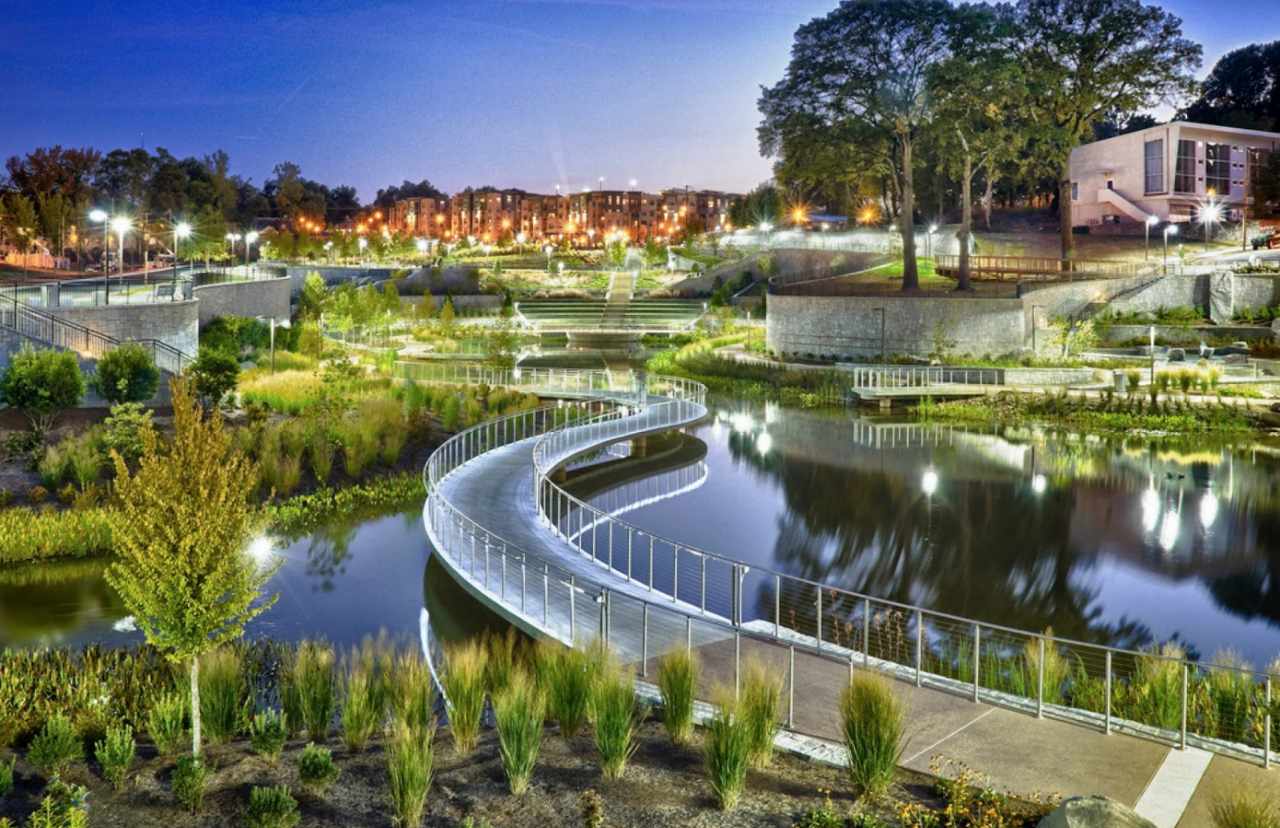
Atlanta City Councilman Andre Dickens proposes a revised zoning ordinance along the Atlanta BeltLine, a 22-mile mixed-use park project. It is the first step in a longstanding effort to prepare for the city’s 40 percent population boom by 2040.
The proposal would require developers along the BeltLine to designate a percentage of units towards affordable housing for the next 20 years. Developers would receive incentives for their compliance, such as reduced property taxes and more flexible parking requirements. Additional details remain undisclosed.
The push for affordable housing in Metro Atlanta, particularly in the Buckhead segment of the BeltLine, addresses a desperate need. Buckhead View reports the most recent data:
- A person or family whose income falls below 80 percent of the Atlanta Metropolitan Statistical Area Median Income (AMI) qualifies for subsidized housing.
- The median income for a family of four is approximately $67,500.
- Per the United States National Housing Act of 1937 for affordable housing, allotting one-third of one’s income is reasonable for housing costs. That would be $24,300 a year or an average rent of $680 per month for Atlanta families.
Along the BeltLine in Buckhead, an 800 square-foot studio could cost a family more than $1,840 per month. Rents exceed $2.30 per square foot, according to Haddow & Co.
Home prices continue to rise. A report issued by Georgia Tech reveals that home sales prices near the BeltLine increased faster than elsewhere in Metro Atlanta. Prices skyrocketed between 40 to 68 percent in the last four years, depending on the neighborhood.
High prices are largely the results of land costs. Chuck Young, SVP of development for the Prestwick Development Co., notes the steady rise in recent years. “It used to be we could develop a garden apartment for $65 a square foot. Now it’s $100,” he said during this year’s Bisnow Atlanta Affordable Housing Forum. “No one can develop affordable housing without subsidies.”
The panel also addressed “affordable housing in the Trump era” as a new challenge. Funding for affordable housing hangs in a precarious balance. Young continues, “It’s tougher to buy credits because no one knows about tax reform that may or may not be coming.”
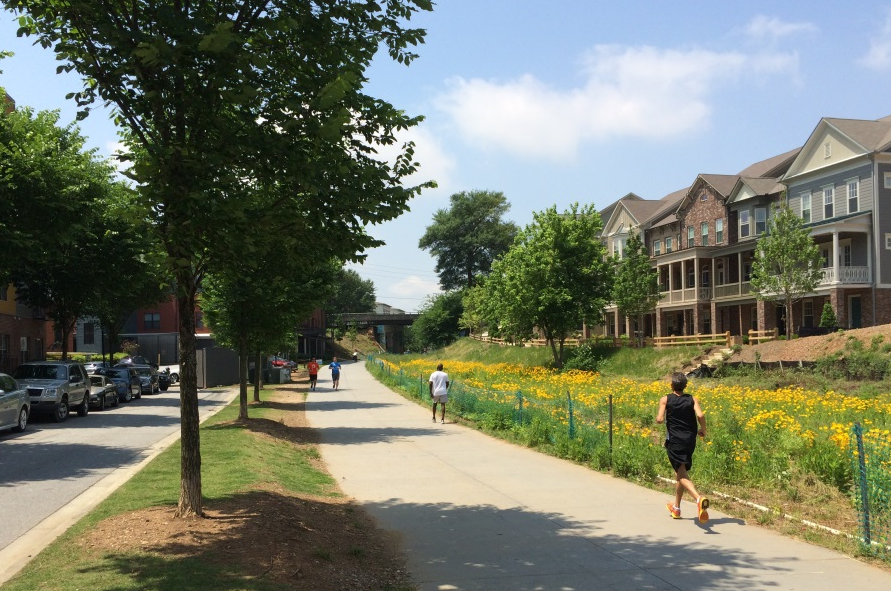 Regardless, the demand for affordable housing continues to grow. Atlanta Regional Commission analysts project more than 2.5 million new arrivals to the metro Atlanta area by 2040. That population growth represents a 40 percent increase on top of the city’s 5.7 million current residents.
New and existing seniors contribute to the affordable housing crunch. The majority of Baby Boomers are underprepared for retirement, requiring affordable housing with age-in-place considerations.
To address the demand, The Atlanta BeltLine Inc. plans to increase affordable housing aside from City ordinances. The organization plans to use 15 percent of its net bond proceeds for affordable housing, which would create 5,6000 units by 2030. As of 2015, however, only 785 affordable units have been completed according to an article in The Atlanta Journal Constitution.
Atlanta BeltLine Inc, in collaboration with Rea Ventures Group, has completed phase one of Reynoldstown Crossing lofts, which includes 30 affordable units. Its second phase, in progress, will add 118 affordable units.
The affordable housing shortage lingers. Last year, Dickens successfully helped to pass an ordinance that requires any developer receiving public funds to designate 15 percent of the project as affordable units. To date, the amount of projects that fall under this ordinance are unavailable.
Catherine Buell, CEO, Atlanta Housing Authority, champions each step towards more affordable housing for the working families. During the panel, Buell nodded definitively: “We have to stop segregating our populations,” she said. “It’s a culture of language. Whether it’s ‘working family’ housing, senior housing, transit-oriented housing, it is needed housing for people. We need student housing. We need to be inclusive and we need more housing.”
The City Council will vote on the issue before the end of the fourth quarter, 2018.