


 Voyager Suite
 Breeze
 Virtuoso
 Investment Suite
 RentCafe
 CommercialCafe Suite
 Elevate Suite
 Procure to Pay Suite
  Energy Suite
 Aspire
 RightSource
 Care Suite
 Matrix
 WorkCafe
 Yardi Kube Suite
 ScreeningWorks Pro
  Yardi Corom



















Let’s explore worldwide conservation efforts to safeguard endangered species, preserve critical habitats and restore ecosystems.
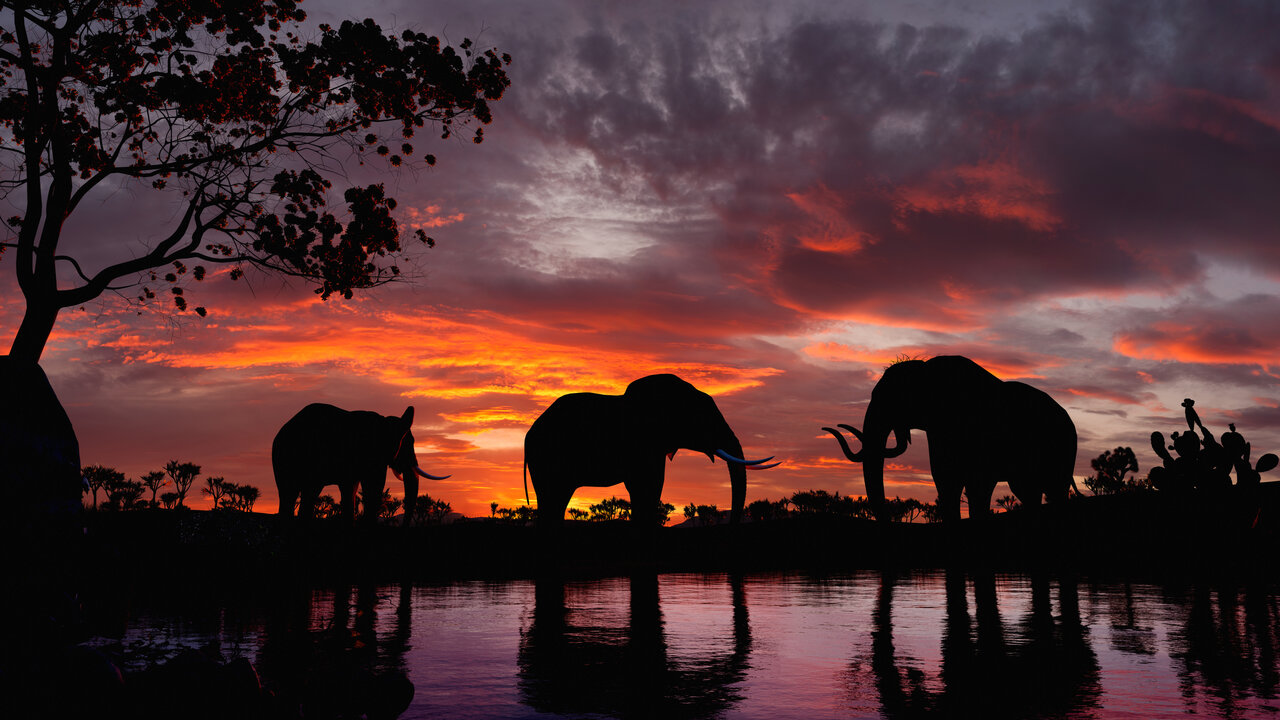
Wildlife conservation has many challenges. Habitat loss is experienced by many species running out of habitats due to agriculture, urbanization, deforestation and resource extraction. Habitat loss can also occur due to environmental changes such as volcanic eruptions, tsunamis, climate or sea level changes, primarily due to human activities. Successful habitat restoration requires understanding species life cycles and interactions and food, water, nutrients, space, and shelter, which are necessary to sustain species populations. When habitats cannot be restored, wildlife corridors, such as marshes or bridges are made to allow animals to cross busy highways.
Poaching, sometimes called Big Game hunting, is illegal trafficking and killing of wildlife. Sometimes, these animals are sold as trophies or pets. Many magnificent animals across the world have been pushed to the brink of extinction due to poaching. The African elephants and Rhinos are critically endangered due to high demand for their horns and tusks, and the loss of these species is detrimental to the ecosystem’s health. Raising awareness and strengthening legislation and law enforcement are solutions to poaching. Having compassion and supporting nonprofit organizations or NGOs with conservation efforts brings money from afar to invest in local communities.
Climate change and pollution have its fair share of wildlife conservation challenges. According to Yale University, conserving wildlife can help mitigate climate change. Animals remove vast amounts of carbon dioxide yearly, and restoring species will help limit global warming.
“Wildlife species, throughout their interaction with the environment, are the missing link between biodiversity and climate,” says Oswald Schmitz, Oastler Professor of popular and community ecology at Yale University.
Pollution has detrimental effects on wildlife health. As big as our planet is, it’s not big enough to dilute or absorb all the waste, chemicals and nutrients that billions of people continuously produce. Oils and synthetic chemicals change or destroy habitats. Pollutants affect biodiversity, which in turn affects the spread of wildlife diseases. Mercury is one of the most harmful pollutants faced by fish and wildlife. High mercury levels caused by coal-fired power plants move up the food chain, and in turn, people and wildlife who consume fish with high mercury levels are at risk of severe health problems.
Many organizations and individuals are working together to address these threats. In these times of uncertainty, climate adaptation and resilience are more dependent than ever on ecosystem health and community-based wildlife conservation. There are several International wildlife conservation projects to educate and understand their impacts.