

 Voyager Suite
 Breeze
 Virtuoso
 Investment Suite
 RentCafe
 CommercialCafe Suite
 Elevate Suite
 Procure to Pay Suite
  Energy Suite
 Aspire
 RightSource
 Care Suite
 Matrix
 WorkCafe
 Yardi Kube Suite
 ScreeningWorks Pro
  Yardi Corom



















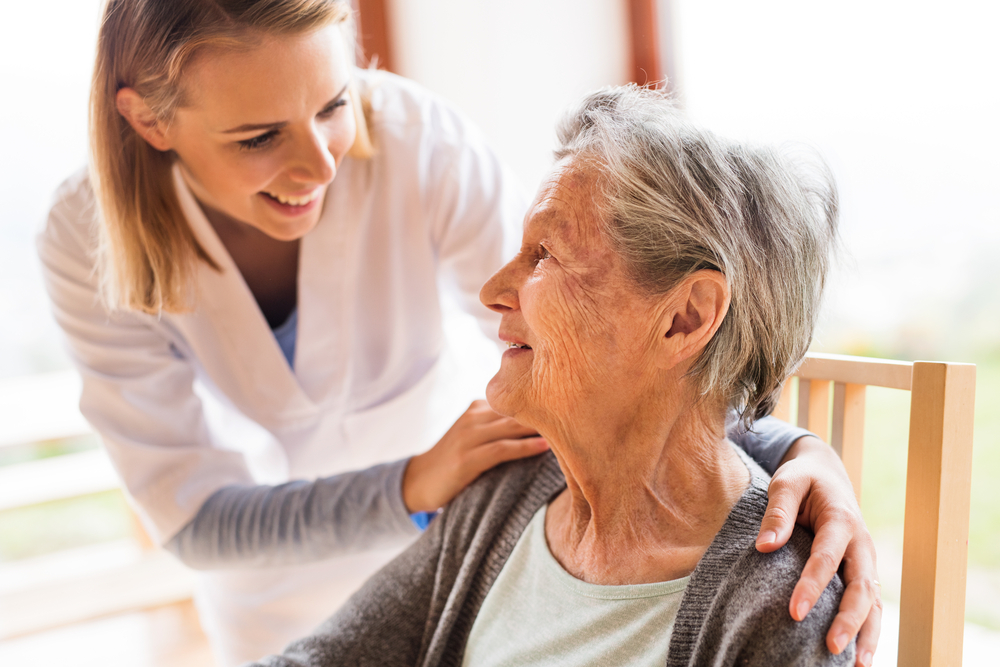
For many caregivers in senior living communities, residents’ identities are synonymous with their ailments. They begin to embody the treatments and assistance they require each day. While residents are much more than a name on a chart, the rich stories of their former lives often go untold. Moving into a new community can feel like letting go of one’s old self, and if a resident is struggling with dementia or cognitive disorders, the sense of loss is even greater.
Recognizing the importance of deep personal understanding, many caregivers and communities have embarked on a mission to uncover residents’ stories. Truly knowing a resident and honoring their individuality has been proven to have medical benefits and improve their quality of care. In the senior living industry, it’s called person-centered care (PCC). The concept itself is not new—it’s been studied since the late 1980s—but, thanks in large part to the Affordable Healthcare Act of 2010 which emphasized the need for change from a traditional clinical care approach to a more personal one, the movement has gained momentum.
Person-centered care has no official definition, but its supporters generally agree that what distinguishes PCC from the traditional model of care, which views the patient as a passive receiver of treatment, is a commitment to patients actively participating in their own medical plan. Other fundamentals of PCC include viewing treatment as an on-going process, one that nurtures and empowers the person being treated, enabling elders to experience purpose and meaning in their daily lives. At its core, person-centered care compels caregivers to see residents for the people they are—and not let the need for assistance with daily activities diminish one’s personhood.
How can senior living operators and caretakers begin to make the shift from a traditional model of treatment to PCC, now considered the gold standard of care, in their own communities? The transition from one care approach to another takes time, but it begins with small adjustments. The most important first step is culture change, including changes in daily operations and protocols, physical environments, and relationships.
Language is the lowest-hanging fruit and a wonderful vehicle for change because it’s available to anyone. A subtle shift in day-to-day vernacular can speak volumes about your commitment to person-centered care. Seniors are residents, not patients. Fulfilling lives take place in communities, not facilities. Visitors are more than just “the daughter” or “the husband.” Asking how a resident or guest wishes to be addressed is just one small way to personalize treatment and gain insight into a resident’s prior life. The first small step of inquiry encourages engagement, builds bonds between caretaker and resident and begins to unlock a lifetime of anecdotes and stories. So ask questions, and more importantly, listen. Only then will caregivers truly begin to understand the people they care for. When that happens, residents truly feel like they’re home.