


 Voyager Suite
 Breeze
 Virtuoso
 Investment Suite
 RentCafe
 CommercialCafe Suite
 Elevate Suite
 Procure to Pay Suite
  Energy Suite
 Aspire
 RightSource
 Care Suite
 Matrix
 WorkCafe
 Yardi Kube Suite
 ScreeningWorks Pro
  Yardi Corom



















Many of these health-related amenities welcome residents to participate at will. A tenant’s decision to work towards better health has not, in large part, affected anyone other than the tenant. A new wave of health-conscious legislation may force tenants to take personal responsibility for the health of their neighbors. Residents say that they want to live in smoke-free environments, but they’re not willing to pay extra for it.
Industry leaders and health officials have teamed up to evaluate the effects of secondhand smoke in multifamily housing and the hospitality field. As research mounts in favor of smoke-free residences, managers and owners are forced to make the tough call for their properties. Should smoking be banned?
Numerous multifamily developments in Hawaii have already enforced smoking bans throughout their premises, including outdoor public areas such as lanais and barbecue shelters. A few California cities, such as Elk Grove, have also followed suit. They are forerunners of California legislation that may soon become law, permitting the widespread banning of smoking in apartment complexes. New York Mayor Michael Bloomberg has also moved in favor of smoke-free legislation.
In all three states, the legislation has been consistent: none of the proposed bills would forbid smokers from smoking altogether, nor do they ban smokers from all public housing. Instead, individual properties would have the right to include no-smoking clauses in their contracts and lease agreements. The biggest change proposed by the legislation is that non-smokers should have the option to live in a smoke-free environment.
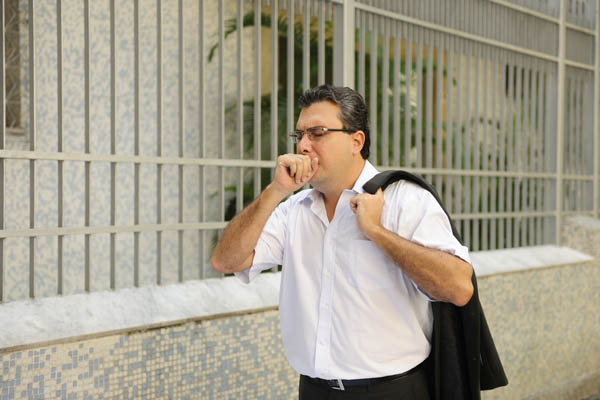 It’s an option that many industry leaders and public health officials feel is reasonable and overdue. The adverse effects of secondhand smoke have been chronicled for decades now, revealing that clean air is more than just a matter of preference; it can be a matter of life and death. According to studies conducted by the National Cancer Institute, secondhand smoke contained 69 toxins, many of which are carcinogens. The institute estimates that more than 3,000 non-smokers will die of cancers brought on by exposure to secondhand smoke, with an additional 46,000 falling prey to heart diseases linked to the same culprit. Other health concerns include infant death syndrome, bronchitis, exacerbated asthma attacks, and various complications effecting the ears, nose, and throat.
To date, the proposed legislation in California and New York has not been signed into law.
What potential social and financial setbacks might properties face if they opt to become smoke-free residences? What do you think about the proposed legislation?