Voyager Suite
 Breeze
 Virtuoso
 Investment Suite
 RentCafe
 CommercialCafe Suite
 Elevate Suite
 Procure to Pay Suite
  Energy Suite
 Aspire
 RightSource
 Care Suite
 Matrix
 WorkCafe
 Yardi Kube Suite
 ScreeningWorks Pro
  Yardi Corom



















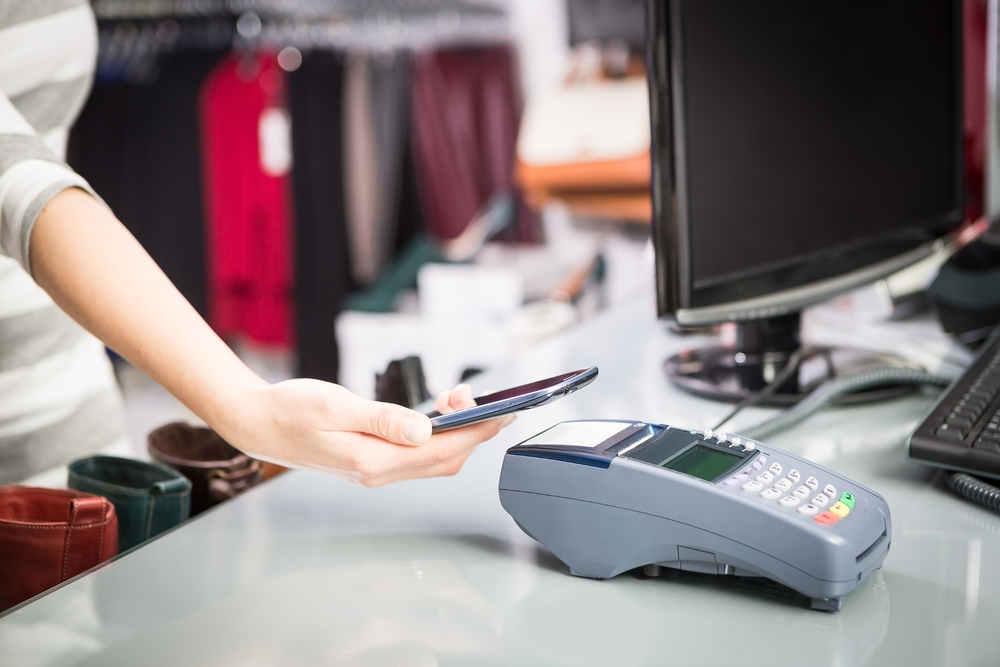
The battle for territory in the mobile payments sector is heating up. The ability to pay at the cash register with just the smartphone is motivating other mobile armies to take a stand, especially after Apple Pay was launched with the iPhone 6 and iP hone 6 Plus.
Apple Pay proved to be easy to use; the user simply needs to hold the iPhone near the contactless reader with the finger on the Touch ID and the Near Field Communication antenna in the Apple device will do the rest. Apple Pay is secure; the company uses a Secure Element chip that encrypts user data in such a way that is preventing the company and curious eyes from getting it. The only parties that see the transaction details are the banks, credit card companies and the merchants that are directly involved in the purchase. According to Apple, a unique device number is “assigned, encrypted and securely stored” to each phone instead of the actual credit card number. Moreover, each individual transaction features a one-time dynamic security code number, too.
Even though Apple Pay is limited to the users who own iPhone 6 and iPhone 6 Plus models, mobile payments have been increasing – the Business Insider research shows that “payments made through Apple Pay accounted for between 0.1%-1.6% of transactions at five top retailers in the month following the launch of the feature.” The results might seem like a small fraction, but for a brand new platform in its first month, this is actually good progress.
Joining in is Google who announced partnering with Softcard, a joint venture between Verizon Wireless, AT&T and T-Mobile, to expand the reach of Google Wallet mobile payment service. In accordance with the deal, Google acquired Softcard’s technology, and the US carriers will load the Google Wallet app onto Android smartphones running on KitKat or higher in their stores, later this year. Softcard, originally branded as Isis, was launched in 2010 as a partnership between the above mentioned carriers. At that time, the NFC-based payment solution didn’t really appeal to consumers, partly because of a burdensome setup process, terrible user experience, and limited credit card support. The partnership with Google might change that. For now, Softcard said “customers can continue to tap and pay with the app. We will share more information with customers and partners in the coming weeks.”
Samsung recognized the opportunity and recently acquired LoopPay, a U.S.-based company that works similarly to Apple Pay. However, LoopPay’s technology is not based on NFC, like Google Wallet and Apple Pay; instead, it mimics the swiping move of traditional cards when the user holds one of its smartphones. The technology might be of interest to the merchants as they don’t need to swap out their systems. Furthermore, since the technology mimics a card swipe, it works in more locations than Apple Pay or Google Wallet, the two requiring stores to upgrade their equipment to include the NFC technology.
Mobile payment platforms are the new tech battleground. For consumers, it simplifies the shopping/paying process. My humble prediction? Most likely, the slice of the mobile payment platform pie for each tech giant will be directly proportional with their slice of the smartphone market, give or take a few OS updates.