Voyager Suite
 Breeze
 Virtuoso
 Investment Suite
 RentCafe
 CommercialCafe Suite
 Elevate Suite
 Procure to Pay Suite
  Energy Suite
 Aspire
 RightSource
 Care Suite
 Matrix
 WorkCafe
 Yardi Kube Suite
 ScreeningWorks Pro
  Yardi Corom



















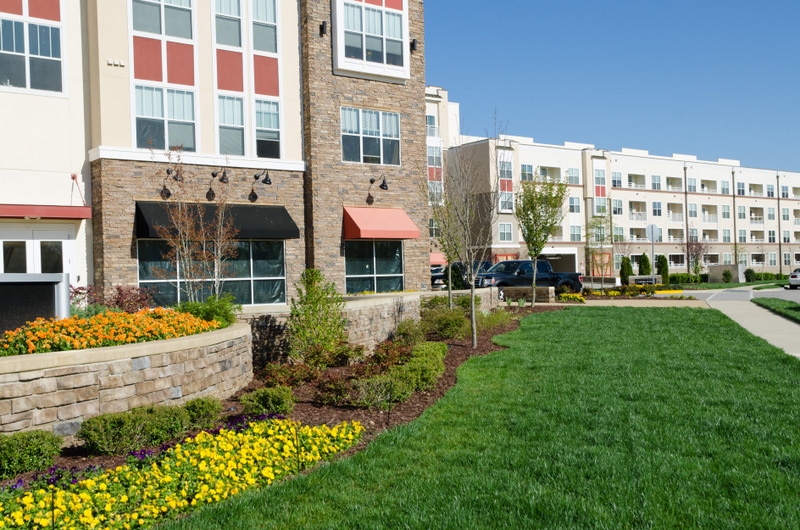
As building permits increase this year and healthy competition is restored, multifamily must revisit resident retention practices. Luxury amenities, home automation technology, and quarterly vacation giveaways are unsustainable: amenities and technology quickly become outdated, requiring costly upgrades, and it’s hard to find room in the budget for grandiose vacation packages. What feature can increase tenant retention over the long term without significantly raising costs? Greenery.
A series of studies suggests that renters can feel better about their communities and happier with themselves through strategic landscaping. According to a study released by Kansas State University, views of nature contribute to resident satisfaction by making residents feel happier and healthier. The lush landscaping and interactive green spaces in such residences enhance tenants’ sense of health and well-being by reducing stress and anxiety, invigorating the senses, and ameliorating urban harshness.
The beneficial effects of nature apply to tenants of all ages. In “Visual Landscapes and Psychological Wellbeing ” by R.S. Ulrich, green spaces demonstrably improved students’ focus, productivity and confidence before taking tests. Greenery also decreased students’ stress levels. Housing that can offer students better academic performance and stress mitigation will be an easy sell in a competitive market.
Mental Health and Function by University of Washington departments of Urban Forestry and Urban Greening Research compared seniors living in apartments with greenery to seniors without access to nature. Overall, seniors preferred greener communities. Seniors living near greenery used such spaces for recreation, exercise, and social interaction. As a result, they felt that green spaces contributed positively to their well-being, happiness, and vitality. Seniors revealed a positive correlation between greenery and a diminished sense of loneliness, fewer cases of depression, and lower mortality rates.
Greenery can also improve resident retention by promoting peace between neighbors. Mental Health and Function released by University of Washington suggests that “a neighborhood that incorporates easily accessible green spaces into its design may also improve social cohesion and interaction” and “useable and safely accessible gardens or green spaces not only foster a sense of community, but also provide psychological benefits among its members.”
In some communities, though, crime is the leading cause of turnover. University of Washington departments of Urban Forestry and Urban Greening Research explored the link between greenery and crime in Crime and Public Safety, determining that “public housing residents with nearby trees and natural landscapes reported 25 percent fewer acts of domestic aggression and violence” and “public housing buildings with greater amounts of vegetation had 52 percent fewer total crimes, 48 percent fewer property crimes, and 56 percent fewer violent crimes than buildings with low amounts of vegetation.” The studies conclude that “vegetation can be managed to create a reassuring environment, reduce fear, and increase citizen surveillance and defensible space.”
Lastly, Mental Health and Function proposes that contact with nature may help humans forge a connection to their biophysical environment; people feel greater loyalty to a space with greenery. If tenants feel that a building and its accompanying green space is part of their social environment, a positive place where they can thrive, they will feel a stronger connection to that building and they will be less likely to abandon it.
Tenants that feel happy, healthy and safe are less likely to leave their rental communities. Even the occasional delayed maintenance visit or noisy neighbor can be taken in stride rather than causing residents to seek presumably greener pastures.
Property owners can use the benefits of landscaping as a passive resident retention strategy. To learn more, read the complete article in Multi-Housing News Magazine.