


 Voyager Suite
 Breeze
 Virtuoso
 Investment Suite
 RentCafe Suite
 REACH by RentCafe
 CommercialCafe Suite
 Elevate Suite
 Procure to Pay Suite
  Energy Suite
 Aspire
 RightSource
 Care Suite
 Matrix
 Yardi Kube Suite
 ScreeningWorks Pro
  Yardi Corom

















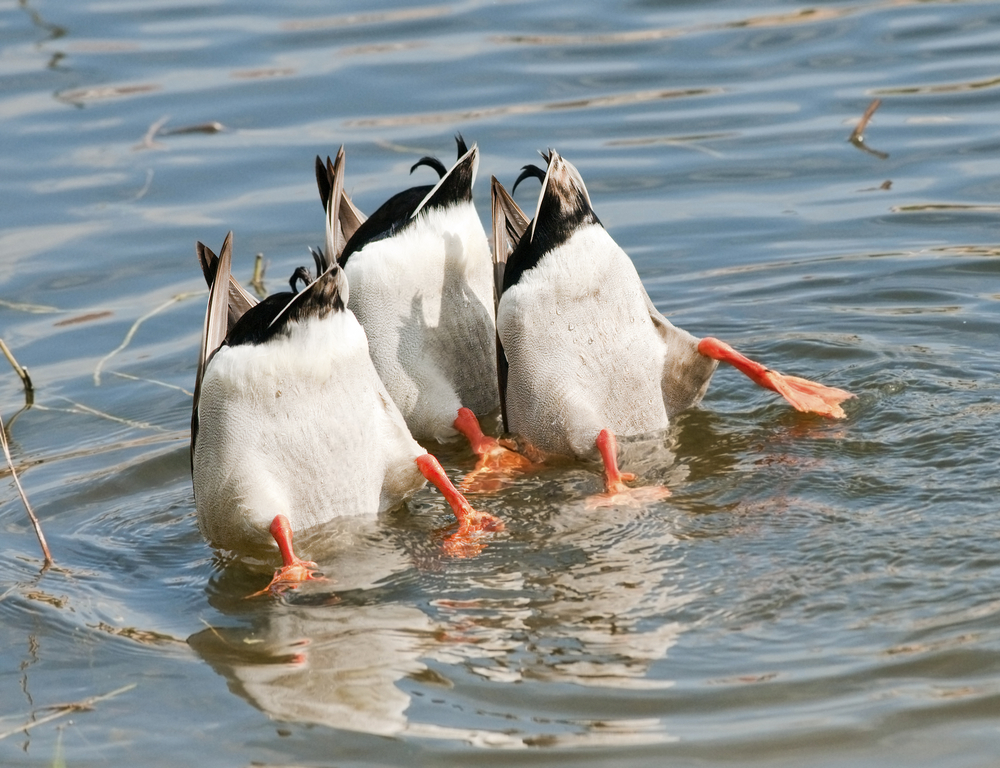
If you find waterfowl descending upon your property twice a year, you are not alone. There are thousands of multifamily properties just like you that are unfortunate enough to rest along waterfowl flyways. You are not alone. We are here to help.
Unless you’re a hunter, you probably didn’t notice the release of the 2015 Waterfowl Breeding Population and Habitat Survey. What you will want to know—and would probably figure out sooner than later—is that waterfowl are about to take over your world. The survey revealed that the estimated duck population in the US is 49.5 million. That’s 43 percent above the long-term average.
For multifamily properties within the waterfowl migration path, that means that you will have an increase in residents between now and November. They will not give you rent money. Instead, they will block traffic each day with their adorable duck parades. They will ruin your residents’ picnics, chasing them for even the tiniest morsel of bread. (Those are likely spoiled harbor birds from New England. They can’t help themselves.) They will leave so much poop throughout your property that you will pray for more dogs. Each morning they will quack, quack, quack until you pull your hair out from the roots.
What’s worse, residents and their kids may try to befriend the waterfowl. They may even try to pet them and swim with them. This can lead to the transfer of nasty parasites.
You don’t have to be a victim of the pending waterfowl invasion. Take these measures to make their stay more bearable and maybe keep them from visiting altogether.
Don’t feed the ducks or geese.
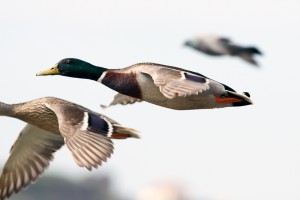 As you may notice, pampered, entitled geese are the most insufferable geese. Secondly, human food is terribly unhealthy for waterfowl. Bread and crackers cause their organs to swell and become fatty. The results are heart disease and liver problems. These illnesses cause the birds to suffer, but illness won’t stop the birds from coming. It will just mean annual visits from sick birds and their sick offspring.
Create a community of decoys.
Any property could potentially become a waterfowl crash pad, but properties with a lake, pond, or pool are especially vulnerable. Place decoys throughout your property. It’s okay if your residents move them around. The movement will make the decoys a more realistic deterrent for ducks.
Install reflective artwork.
Art installations can beautify your property and increase perceived value (which can drive up asking rents). Select art with reflective elements such as mirrors, polished metal, and flowing foils to double as a waterfowl deterrents. Reflective surfaces can make it challenging for our avian friends to land comfortably.
Carefully consider sonic repellants.
The sonic waterfowl repellants may seem tempting. They are effective and excellent for repelling other pests that you don’t want, like raccoons, coyotes, and foxes. Unfortunately, the sounds also repel creatures that you might like such as deer, and small birds. Residents’ pets will also be sensitive to these sounds.
Have you had success getting rid of waterfowl on your property? What techniques did you use?