Voyager Suite
 Breeze
 Virtuoso
 Investment Suite
 RentCafe Suite
 REACH by RentCafe
 CommercialCafe Suite
 Elevate Suite
 Procure to Pay Suite
  Energy Suite
 Aspire
 RightSource
 Care Suite
 Matrix
 Yardi Kube Suite
 ScreeningWorks Pro
  Yardi Corom

















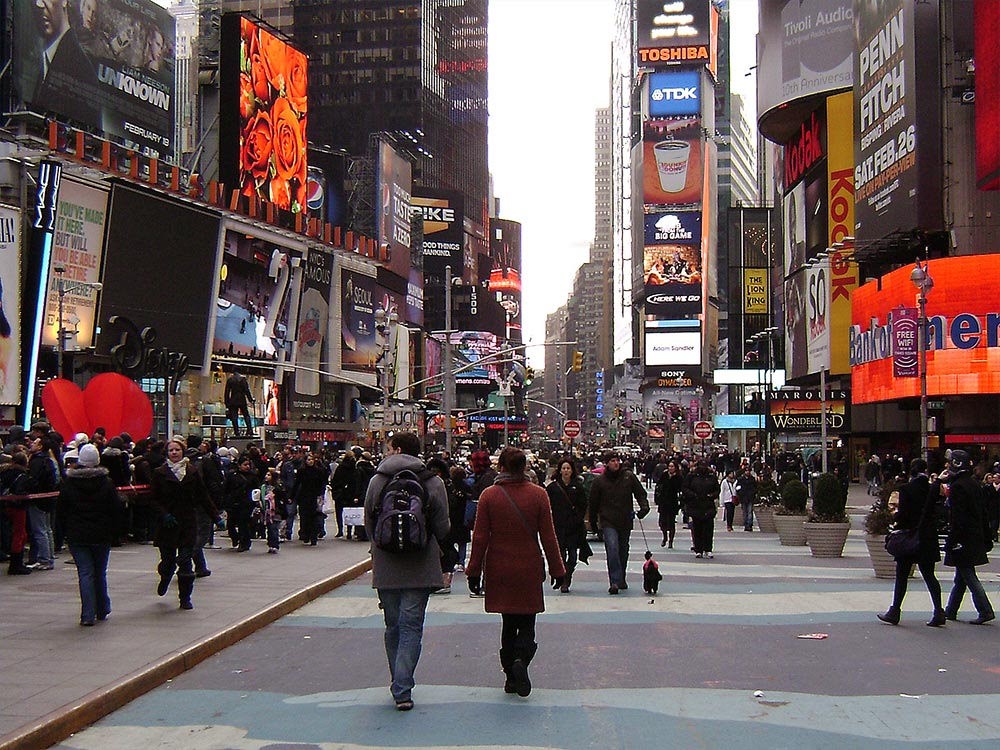
“Big city” usually evokes buses, motorcycles, metro trains and cars. Beyond looking pretty and offering temporary respite from the bustle, does walkability—the ability to walk from home to shopping, dining, entertainment and employment spaces—add tangible value? Very much so, according to a new report that Yardi Matrix joined forces on with industry, academic and advocacy leaders.
The Center for Real Estate & Urban Analysis (CREUA) at the George Washington University School of Business sponsored a study this year to rank the 30 largest metropolitan areas in the U.S. by how much office, retail and rental multifamily space lies in walkable urban areas. Multifamily rental asking rent data from Yardi Matrix went into the four-month effort, which also included contributions from real estate services firm Cushman & Wakefield, community quality-of-life advocate Smart Growth America, and real estate developer and investor coalition LOCUS. Yardi also contributed a $10,000 grant to support the research.
The CREUA study identified 761 regionally significant walkable urban places, or “WalkUPs,” in those 30 metros. New York City has the most walkable urban real estate, followed by Denver, Boston, Washington, D.C., Chicago and San Francisco.
The report documents that:
- Income-producing real estate (office, retail and rental housing) in walkable urban places has a 75% per square foot rent premium over other such real estate in the metro area.
- For-sale homes within WalkUPs have a 90% premium compared to the regional median for-sale home price in the metro area.
- The per-capita gross domestic product of the highest-ranked walkable urban metros is 52% higher than that of the seven lowest-ranked metros.
“There is a ‘Doppler shift’ toward walkable urban development in the 30 largest U.S. metros,” Dr. Tracy Loh, senior data scientist at the George Washington School of Business and co-author of the report, said in a news release. “Even the lowest ranked metros like Tampa, Fla., and Phoenix are moving toward increased market share of walkable urban development, versus sprawl.”
“[The CREUA study] shows that the future is walkable, mixed-use places,” added Smart Growth America President and CEO Calvin Gladney, who urged metro areas to “realize the massive potential benefits of meeting the pent-up demand for walkable places” in terms of the environment, personal health, economic development and property values. As a measure of that demand, “walkable communities have jumped to the top of many home buyers’ search criteria because they want to live in areas with easy access to public transportation, schools, stores and entertainment,” the Washington Post reported in 2017.
Doug Ressler, manager of business intelligence for Yardi Matrix, and others presented the report at a recent Smart Growth America/LOCUS conference in Arlington, Va. “This project’s success was due to the guidance and vision of CREUA Chair Christopher Leinberger and our own Jeff Adler, vice president of Yardi Matrix. Their professional approach made the entire team successful,” he said.
Learn more about the implications of walkability for urban life in the Foot Traffic Ahead report issued by CREUA and its research partners.