Voyager Suite
 Breeze
 Virtuoso
 Investment Suite
 RentCafe Suite
 REACH by RentCafe
 CommercialCafe Suite
 Elevate Suite
 Procure to Pay Suite
  Energy Suite
 Aspire
 RightSource
 Care Suite
 Matrix
 Yardi Kube Suite
 ScreeningWorks Pro
  Yardi Corom

















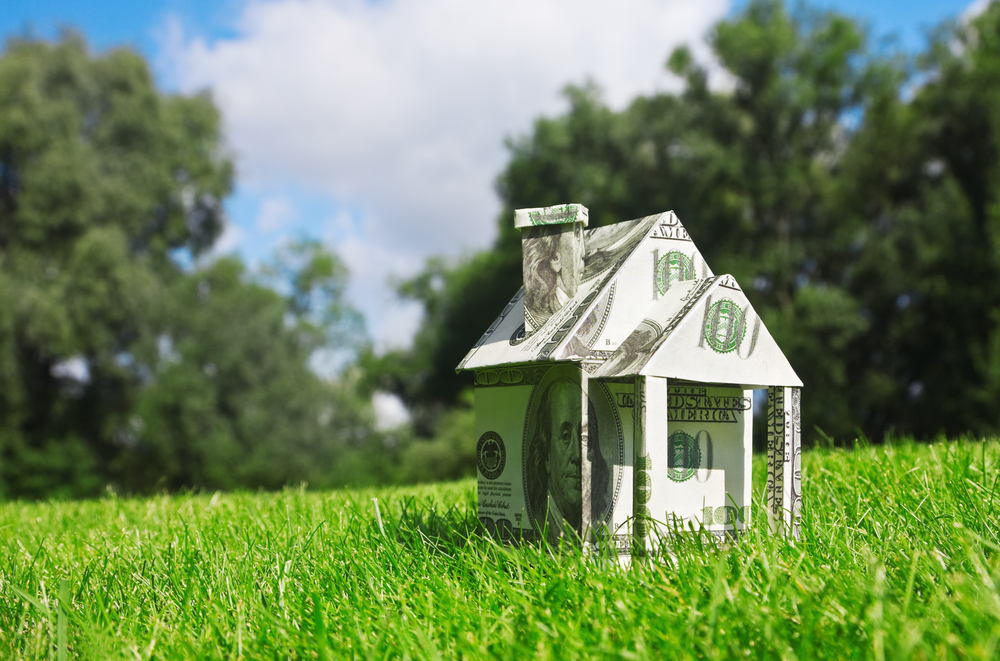
Fannie Mae and FHA have made green multifam ily housing financing more attainable. Sustainable features will now be a deciding factor in underwriting and interest rate calculations. Three new programs offer rate incentives for new construction and renovations.
The financing options come on the heels of several reports that highlight the mutually beneficial relationship between sustainability and multifamily housing.
Eco-conscious multifamily properties receive lower utility bills and fewer defaults. Energy saving tools, such as Energy Solutions, can cut costs by identifying leaks, recovering overage costs, and automating both energy management and utility billing. Convergent billing alone improves utility cost collection by 20 percent.
Additionally, lower utility bills are believed to attract more stable tenants. By reducing utility costs, residents will be better able to pay rent and less likely to default. HUD Secretary Julián Castro reports that a quarter of renters spend more than 50 percent of their income on housing. The recommended allocation is 30 percent or less.
Energy cost savings and decreased defaults make green properties more profitable for lenders.
In order to receive a lower interest rate with Fannie Mae, properties must cite a 20 percent savings on energy or water costs. Such properties can receive up to 40 basis points off of standard pricing, reports CBRE.
Especially for multifamily affordable housing, Fannie Mae’s Green Preservation Plus (formerly known as Green Refinance Plus) offers 4-5 percent greater loan proceeds. The additional funds may be used to pay for energy efficient retrofits and upgrades. There is no limit or cap on loan sums, though loans over $50 million will require HUD consent.
Qualifying properties must be at least a decade old. Energy- and water-saving improvements must equal at least 5 percent of the original mortgage loan amount. Borrowers are also required to track total energy and water usage costs using the Energy Star Portfolio Manager.
With the new FHA/HUD loan options, borrowers may receive interest rate discounts up to 45 basis points. To qualify, buildings must receive a green building certification from the list of a dozen participating organizations. Borrowers may also propose a certification program, but approval rests in HUD’s discretion.
The range of certifying organizations offers flexibility for potential borrowers. Borrowers may select a program that is specific to their region, maximizing on green features that best work for the local needs. The costs associated with the certifications also vary, giving borrowers more wiggle room with their budgets.
Both Fannie Mae and FHA are exploring the option of bonds that benefit green builders. These bonds may ultimately reduce volatility and stabilize pricing for qualifying properties, making them even more appealing to investors. Details on the bond program are slated to release later this year.