Voyager Suite
 Breeze
 Virtuoso
 Investment Suite
 RentCafe
 CommercialCafe Suite
 Elevate Suite
 Procure to Pay Suite
  Energy Suite
 Aspire
 RightSource
 Care Suite
 Matrix
 WorkCafe
 Yardi Kube Suite
 ScreeningWorks Pro
  Yardi Corom


While the industrial sector has rapidly grown in lockstep with the evolution of e-commerce, a number of signs are beginning to point to a slowdown. Warehouses and distribution centers continue to be strong performers, but following a massive nationwide industrial construction boom, supply is finally starting to catch up with demand.
Given the abundance of modern, industrial supply, value-add investors must have a more thoughtful approach.
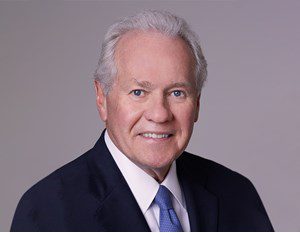
Sealy & Co., active throughout the South and the Midwest, takes a straightforward approach to its value-add acquisitions, focusing not only on a building’s potential improvements but also emphasizing location as a key driver of asset value. Chairman Scott Sealy Sr. discussed his investment strategy and the state of the market with Commercial Property Executive.
How would you describe the state of the national industrial market, given soaring demand and unprecedented levels of industrial development?
Sealy: There are several sectors within the industrial market alone, and most are demand driven. Some, however, are moving to a balance of supply and demand. Larger distribution is still enjoying good absorption and rent growth. Infill properties in the markets we are in have limited vacancy and significant rent growth. We expect the trend to continue for several more years.
In which industrial market do you see the greatest opportunity for expansion, and what sets this market apart from the crowd?
Sealy: Multiple markets attract us for a variety of reasons. For example, we like Houston for its historical rent growth and fundamentals, the economy is very solid. Unfortunately, it can be hard to find potential development sites here because of the high demand and recognition of this potential. If you’re strategic, thorough and able to capitalize, the economic structure is rewarding.