Voyager Suite
 Breeze
 Virtuoso
 Investment Suite
 RentCafe Suite
 REACH by RentCafe
 CommercialCafe Suite
 Elevate Suite
 Procure to Pay Suite
  Energy Suite
 Aspire
 RightSource
 Care Suite
 Matrix
 Yardi Kube Suite
 ScreeningWorks Pro
  Yardi Corom

















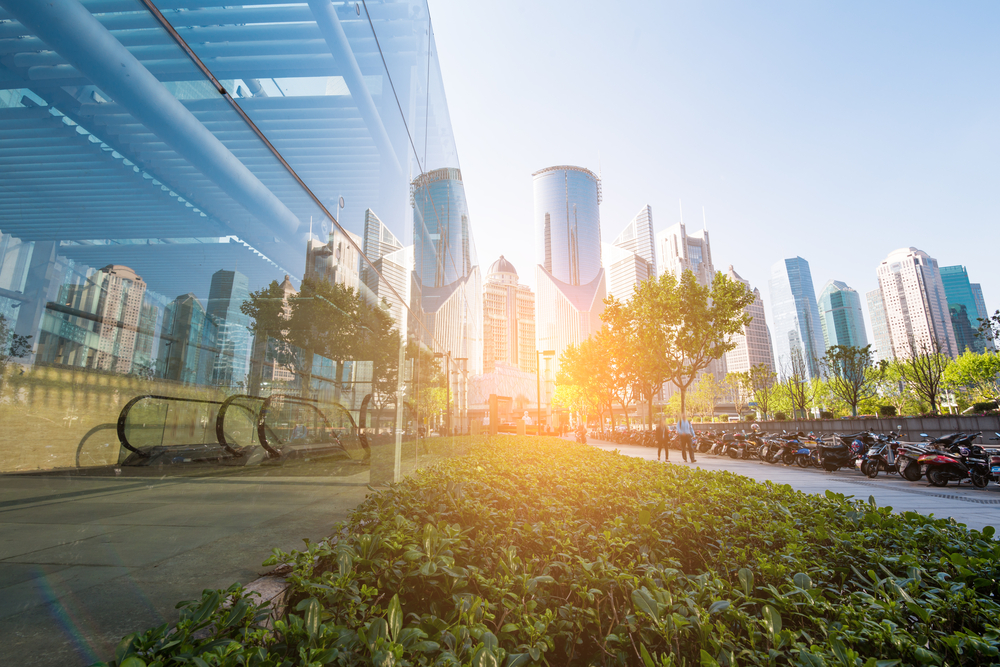
With environmental consequences ever more present, the push for green construction and green amenities is growing. At first glance, the way buildings are constructed may not seem to be a high priority in the fight against climate change. But, in the U.S. alone, they make up about 40% of the country’s CO2 emissions.
Like many other industries, the multifamily sector is taking steps to adapt as green construction is encouraged by both investors and consumers. Furth ermore, the regular presence of environmental news promotes a green lifestyle and encourages people to take action individually.
Specifically, in the rental real estate market, this has led to an increase in the demand for green amenities. This is especially true among Gen Z and Millennial renters, who are quickly becoming the number one driving force of amenity demand. Enter the rise of the green renter.
Typically, eco-friendly renters are willing to spend more on a product for the promise of being green—either in and of itself or because of its production process. Much more aware of individual carbon footprints, these renters gravitate toward buildings that were built with reclaimed materials, are energy-efficient, and create less waste.
Meanwhile, community amenities that are on the rise reflect the renters’ desire for a healthy lifestyle. In particular, they ask for fitness centers and on-site gyms. However, the trend among younger renters is to exercise not only the body in the traditional sense, but also the mind and the soul as well—which gave rise to wellness amenities, according to National Multifamily Housing Council’s 2018 Disruption Report. This equates to facilities that are equipped with smart technology to guide residents as they work out, track data, and progress, as well as more relaxed areas where they can either engage with the community or completely unplug and meditate.
According to the same report from 2018, “a growing consumer emphasis on 360-degree wellness means built environments like apartments will be valued for their contributions to physical, social, and emotional health.”
Apartment amenities are also turning green as renters request energy-efficient appliances, recycling options, high-speed internet, and smart technology to improve their quality of life while also reducing their carbon footprint.
More complex designs are also being pushed in larger cities, especially those that are prone to natural disasters. For example, buildings and apartments for rent in Houston and New York City are becoming greener thanks to local legislation and projects that support green development. In particular, bioretention systems—or rain gardens—along with green roofs, urban forestry, rain harvesting designs, and vegetated filter strips, are parts of a large program for green development in Houston.
All in all, the tendency is to promote more responsible practices in both building and living. The demand dictates the form and function of buildings and units, and the providers adapt and learn to cater to the needs of the new, green renter.