


 Voyager Suite
 Breeze
 Virtuoso
 Investment Suite
 RentCafe Suite
 REACH by RentCafe
 CommercialCafe Suite
 Elevate Suite
 Procure to Pay Suite
  Energy Suite
 Aspire
 RightSource
 Care Suite
 Matrix
 Yardi Kube Suite
 ScreeningWorks Pro
  Yardi Corom

















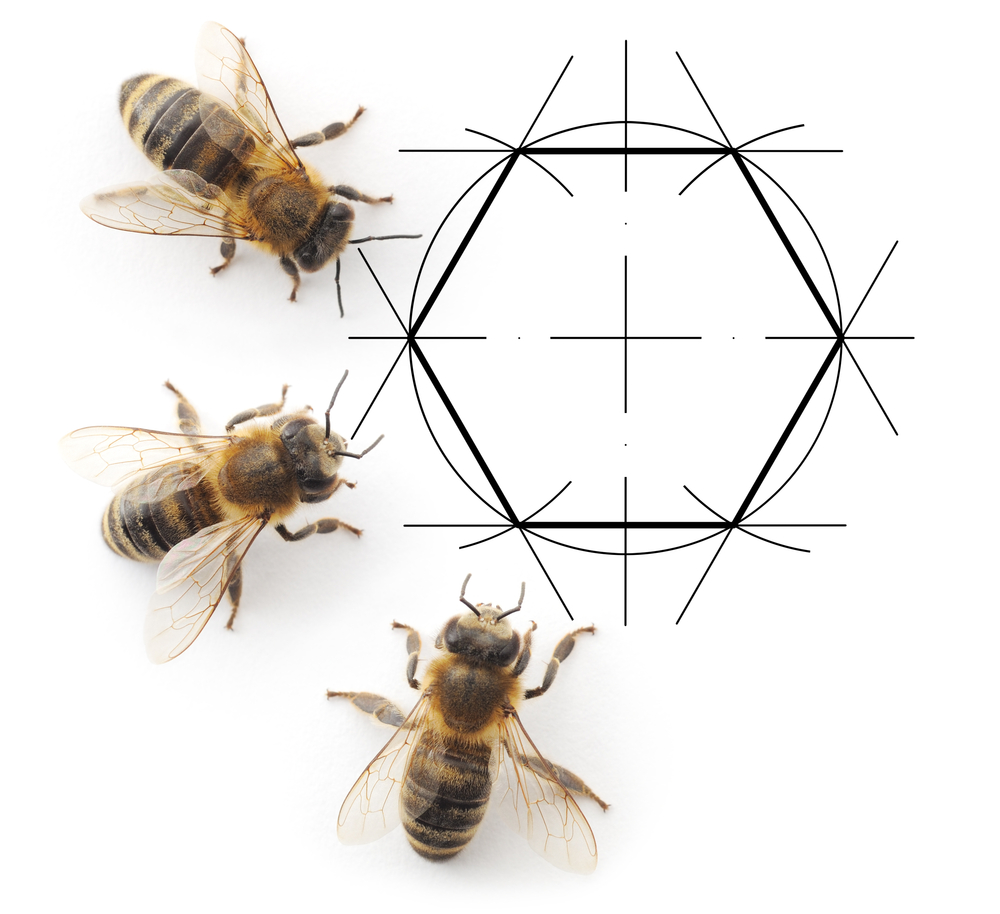
Traditional sustainable building standards focus heavily on resource conservation and waste  management. The effect of building materials on plants and animals receives less scrutiny. Such oversight has lead to the growing presence of imidacloprid in construction, a known hazard of the already dwindling honeybee population.
Imidacloprid is a pesticide commonly found in construction materials such as sealants, vinyl siding, polystyrene insulation, and pressure treated wood. Most pressure treated wood carries at least 11 parts per million (ppm) of imidacloprid. Some brands of plywood use up to 300 ppm. PVC siding can contain about 10,000 ppm.
Only .025 parts per billion is toxic to bees, according to the U.S. Environmental Protection Agency (EPA). Their recent report states that even at very low levels of exposure, imidacloprid is deemed “very highly toxic” to honeybees.
Though the adverse effects of the chemical’s use are widely publicized, the EPA continued to approve additional uses of the pesticide. Six major manufacturers are known to used the chemical, including Lanxess, Viance, Arch Treatment Technologies, United Phosphorus, Willowood, and Zelam.
Building materials leach imidacloprid into water and soil. Plant roots absorb the pesticide and ultimately siphon it to plants’ pollen and nectar where it is consumed by bees. The insects are again exposed to the chemical when they encounter standing water that has been tainted with imidacloprid. Lastly, bees use treated sawdust in the construction of their hives, piling the poison directly into their abodes.
Honeybees preference for an imidacloprid-infused diet exacerbates their dilemma. A study conducted by Nature reveals that honeybees demonstrate a growing dependency on the toxin.
“Free-flying honeybees prefer to collect sucrose solutions containing low concentrations of nicotine,” the report states. “Remarkably, the preference occurred even when bees consuming these solutions were more likely to die.”
Imidacloprid is one of many man-made obstructions to hive health. The cumulative result is the decimation of the honeybee populations. Between April 2014 and April 2015, the United States experienced a colony loss of 40 percent, with losses closer to 50 percent in some states.
In October 2016, bees were added to the endangered species list for the United States.
Honeybees are vital to food production and ecosystem health. By re-evaluating the relationship between building materials and hive health, construction professionals can create structures that are safe and reliable.