Voyager Suite
 Breeze
 Virtuoso
 Investment Suite
 RentCafe Suite
 REACH by RentCafe
 CommercialCafe Suite
 Elevate Suite
 Procure to Pay Suite
  Energy Suite
 Aspire
 RightSource
 Care Suite
 Matrix
 Yardi Kube Suite
 ScreeningWorks Pro
  Yardi Corom

















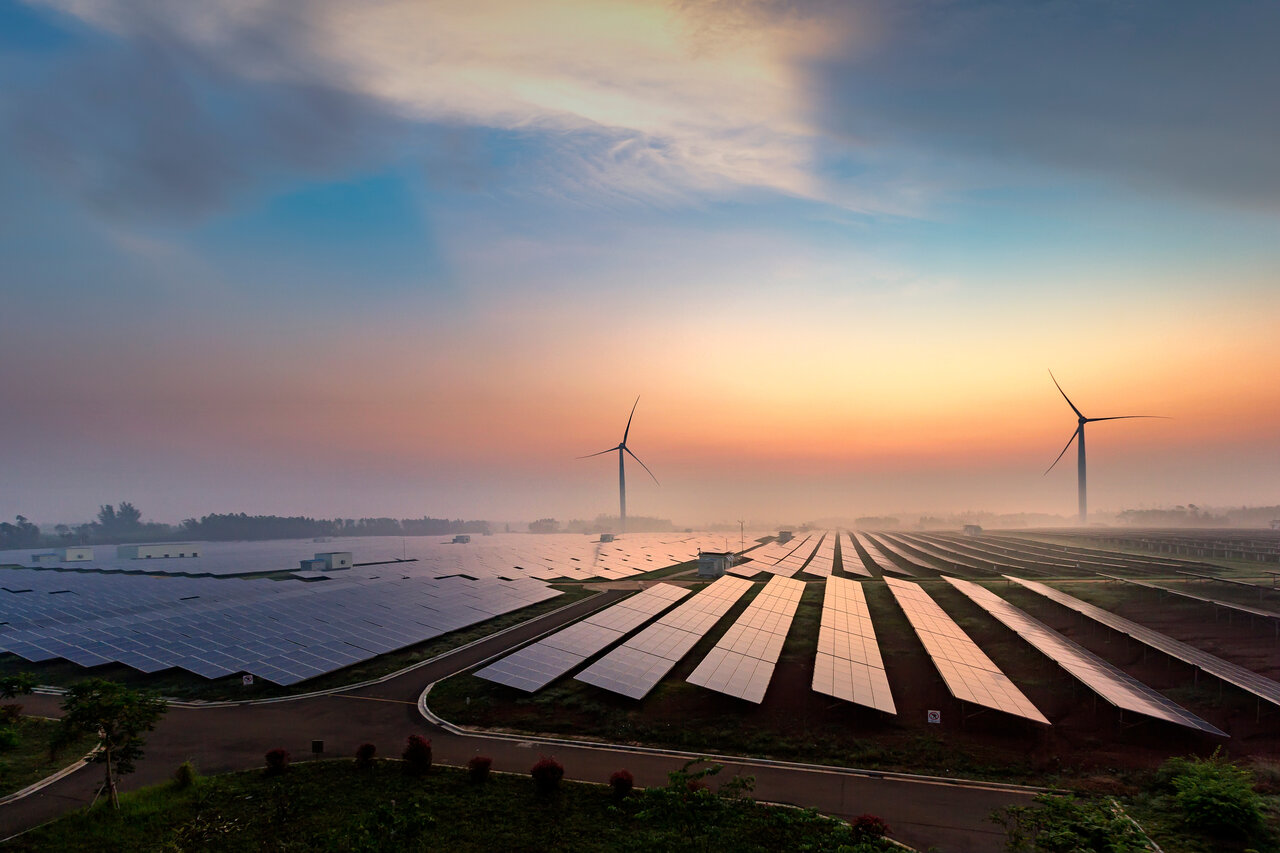
Renewable energy sources are crucial to the fight against climate change. On a long road trip across the country, many will find wind turbines, solar panels, and dams, all renewable energy technologies working to better future generations.
As Earth Day approaches, let’s explore the world of renewable energy, discover the various sources available, and learn how to support the transition to renewable energy to contribute to a cleaner, greener future for our planet.
Since the Industrial Revolution, most country’s worldwide energy mix has been dominated by fossil fuels, which has significant implications for the global climate and human health. However, renewable technologies, including solar, wind, hydropower, geothermal, and biomass, have rapidly grown. Approximately one-seventh of the world’s primary energy is now sourced from renewable technologies. Renewables play a critical role in clean energy transitions. Let’s learn how these sources work, their benefits, and their potential for widespread adoption.
- Solar: Solar energy is the most familiar renewable technology and has the most potential for cost savings. Solar energy is electrical or thermal energy harvested from the sunlight. It can reduce energy bills, increase home resale value, be low-maintenance and offer long-term savings. Net metering is a process that’s beneficial to the community because it allows consumers to sell excess electricity their solar panels produce back to the utility company, further reducing bills and reducing the community’s reliance on fossil fuels. The sun is a powerful force and one of Earth’s most reliable energy sources. As a result, solar energy is experiencing a remarkable surge in growth and will remain an influential player in energy for the foreseeable future.
- Wind. Humankind has always been aware of how valuable wind power can be in daily life, from sailboats to windmills. Wind energy is often considered a more environmentally friendly alternative to fossil fuels due to its lower emissions, reduced impact on ecosystems and sustainable resource availability. It’s essentially free once the wind turbine has been installed. Plus, wind is an abundant source of energy that is both inexhaustible and unlimited over time, available on most parts of the Earth’s surface. In addition, wind power is a growing industry, adding jobs to communities everywhere.
- Hydropower. Hydropower is the oldest renewable energy source. Its installed capacity is the equivalent of all the other renewable sources added together. It’s a clean energy source that contributes to land reclamation and irrigation in times of drought, in addition to helping stabilize the power grid. Hydropower avoids using fossil fuels and reduces carbon dioxide emissions, which counteracts pollution and the greenhouse effect. New hydropower technologies and modernization of plants are improving installed capacity and electricity production.
- Geothermal. Geothermal energy has been used in some countries for cooking and heating for thousands of years. It is simply power derived from Earth’s internal heat. These underground reservoirs of steam and hot water can be tapped to generate electricity or to heat and cool buildings directly. It is primarily found in the western half of the country, but with enhanced geothermal systems (EGS) technology, geothermal energy will potentially be accessible across the country. With the development of EGS, large portions of the country can potentially replace old heating and cooling systems in hotels, office buildings and hospital complexes.
- Biomass. Unlike solar and wind energy, biomass energy can be generated consistently and reliably. It is derived from organic materials such as wood, crops and waste, which can generate electricity, heat and fuel. Biomass reduces greenhouse gas emissions, and according to the International Energy Agency, biomass energy could reduce greenhouse gas emissions by up to 10%. Unlike other renewable sources, biomass energy can be stored and saved. Biomass energy also benefits rural areas of the U.S., stimulating jobs and economies outside of factories and refineries located in cities.
Most individuals, communities, and governments can support and contribute to the transition to renewable energy. These resources provide jobs and opportunities for growth in rural areas and cities alike. Communities can contribute to the transition to renewable energy in several ways:
- Energy Conservation. LED lighting and energy-efficient appliances.
- Advocate for policy changes. Such as tax incentives for renewable energy installations and regulations encouraging the adoption of clean energy.
- Educate others. Spread awareness about the benefits of renewable energy and how individuals can make the switch. Social media and organizing events are great for engagement and getting the conversation going.
- Support renewable energy initiatives. Support local initiatives, such as company-owned renewable energy projects or campaigns to increase the use of renewable energy.
- Sustainable practices. Recycling and composting are life practices that prioritize sustainability.
By taking these actions, everyone can significantly accelerate the transition to renewable energy and combat climate change to contribute to a cleaner, greener future for our planet.