


 Voyager Suite
 Breeze
 Virtuoso
 Investment Suite
 RentCafe Suite
 REACH by RentCafe
 CommercialCafe Suite
 Elevate Suite
 Procure to Pay Suite
  Energy Suite
 Aspire
 RightSource
 Care Suite
 Matrix
 Yardi Kube Suite
 ScreeningWorks Pro
  Yardi Corom

















Do-it-yourself computing has gained momentum in recent years as individuals and businesses seek out ways to eliminate avoidable expenses. Such new technologies may minimize personnel requirements and middle man costs while optimize workplace efficiency.
Meet Z1, the future of DIY computing
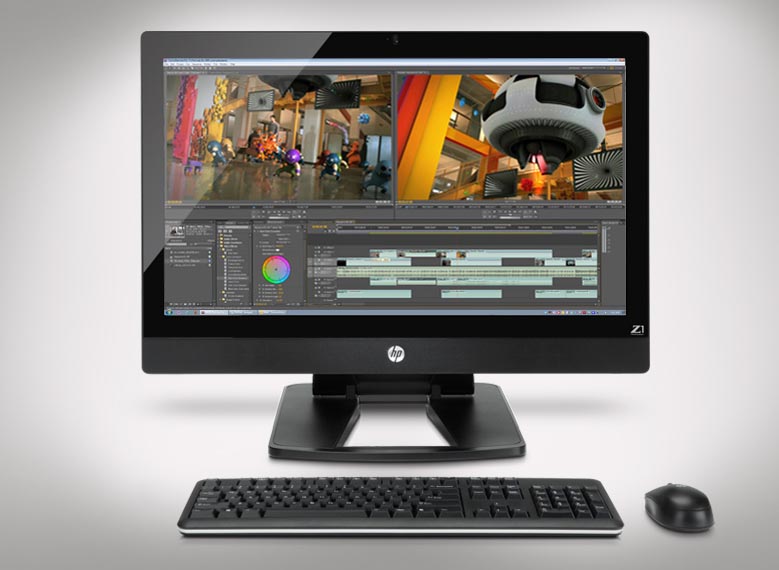
The new HP Z1 workstation aims to reduce user dependency on third party technicians. At first glance, the Z1 is reminiscent of an iMac. The compact, tower-free model is based on an all-in-one design that looks like an effortlessly stunning 27’’ monitor.
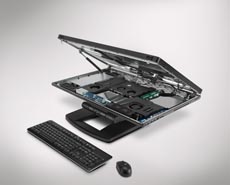
Upon a closer look, users discover that the monitor can be folded down, flush with the surface upon which it stands. The workstation can then be opened as one would open a laptop. Inside rests the hard drive, memory, and other vital components that can are easily disengaged; no tools are required.
Users can easily change out components of the system without much risk. When it is time to upgrade the graphics card or increase the amount of available memory, there will be no need to call a technician. Users may simply order the part online and pop it in themselves.
The Energy Star approved Z1 is scheduled for release to the public in April 2012, starting at $1,900. Z1 is the only workstation of its class in the world.
Workstation limitations
Z1 (and models like it that will undoubtedly follow) do not allow businesses to completely eliminate the IT department altogether. The time and resources needed for basic maintenance may be significantly reduced, yet access to professional services is still a requirement long into the foreseeable future.
For example, a layman may easily switch out the hard drive on a Z1 but it will take a specialist to troubleshoot performance problems within the hard drive. Businesses will need the input of a technician to know when to replace the part versus simply having it fixed.
To assist users with internal problems, HP furnishes Z1 clients with a 24-7 customer service line. For common issues, this may be a sufficient and cost effective—though time consuming—solution. In a work environment where time is limited, access to an on-site professional is still a business’s best bet.
Workplace applications
One factor that is often overlooked is a user’s comfort level with new technology. Giving a user the option to undertake repairs and upgrades on his or her own does not guarantee that he or she will feel comfortable doing so. Users may resolve to calling upon technicians, reducing the novelty of a DIY workstation.
Do you think that the average employee would be comfortable with a DIY workstation? If not, what might be a viable solution?