


 Voyager Suite
 Breeze
 Virtuoso
 Investment Suite
 RentCafe Suite
 REACH by RentCafe
 CommercialCafe Suite
 Elevate Suite
 Procure to Pay Suite
  Energy Suite
 Aspire
 RightSource
 Care Suite
 Matrix
 Yardi Kube Suite
 ScreeningWorks Pro
  Yardi Corom


















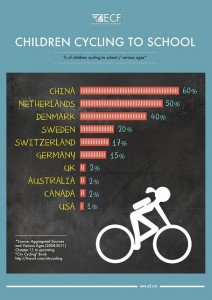
Given that 41 percent of trips taken in the U.S. amount to less than 2 miles of travel each way, cycling as a daily transportation method should be easily viable (it’s fun, healthy and very green), but adopting such habits is hard for many of us (we’re sedentary and addicted to our cars). In no U.S. city does cycling yet edge into double digit percentages of trips taken.
Pucher, a professor of urban planning at Rutgers University, focuses his attention on how humans get around hopes that better planning efforts and increased advocacy will change that. His latest book, “City Cycling,” co-authored with Ralph Buehler of Virginia Tech, is an examination of urban cycling trends around the world. He spoke recently in support of the text in Santa Barbara, Calif.
 For multifamily housing developers and managers, the question of how people get from place to place in their communities is an important one. If residents choose cycling, walking or public transit over a private vehicle, the shift can be beneficial for developers. It may eventually even mean they can provide less parking – as long as there is designated space for bike storage. For residents adopting a bike, transit and pedestrian-heavy lifestyle, the most attractive community locations will be closer to the city core.
It’s no surprise that European cities, especially Amsterdam and Copenhagen, top most lists of places where big chunks – nearly 30 percent for Copenhagen – of trips are taken on bikes. Denmark’s largest city is working to raise that number to 50 percent, Pucher said. Meanwhile, the city topping U.S. charts for cycling prevalence, Portland, Ore., reports that 6 percent of citizens’ trips are taken on two wheels.
How to increase that figure? There’s no instant or easy answer, but a process involving public awareness and advocacy, offering better facilities for bikes and options for bike sharing, long-term urban planning to increase safe bike routes, gradual implementation of cycling friendly plans, and buy-in by community groups are all key, says Pucher. And his research has recorded another interesting trend: earning the buy-in of women is crucial.
 “There’s a very strong correlation between getting women on bikes and getting everyone on bikes,” he noted. In Denmark, 55 percent of all bike trips are made by female riders. In the U.S., that number falls to 25 percent. “If you want to get people on bikes, listen to women, ask them what they want, and give it to them!” he exclaimed.
Increasing cycling safety is also very important. Currently, the U.S. is the most dangerous nation in the world in which to be a bicyclist. As cycling levels increase, injury and fatality rates go down. City planning can contribute significantly to cyclist safety by providing designated cycling lanes, facilities where bikes can be housed, safer crosswalks and protected thoroughfare crossings, and separate paths for pedestrians and bike riders.
Multifamily communities can adopt similar approaches to encourage their residents to ride. Secure bike storage (so residents don’t have to keep their bikes in their apartments or haul them up and down flights of stairs), a bike maintenance area for tire repairs, bicycle cleaning and other work, and providing a few free community bikes (and locks!) to be shared among all community members are some ways apartments are encouraging their residents to get out and ride. What are your communities doing to participate in the cycling movement?