


 Voyager Suite
 Breeze
 Virtuoso
 Investment Suite
 RentCafe
 CommercialCafe Suite
 Elevate Suite
 Procure to Pay Suite
  Energy Suite
 Aspire
 RightSource
 Care Suite
 Matrix
 WorkCafe
 Yardi Kube Suite
 ScreeningWorks Pro
  Yardi Corom



















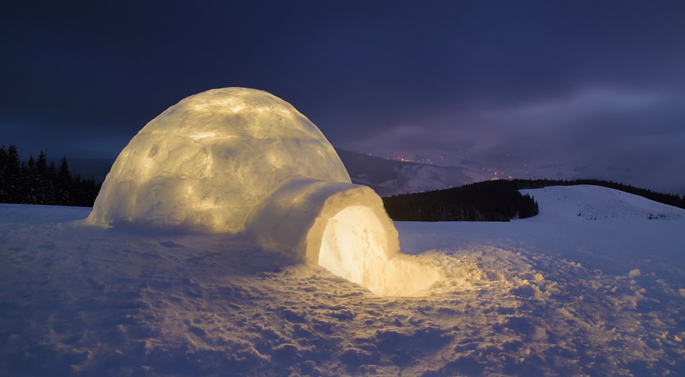
Those summer tees and shorts are but a memory. With fall here and winter on deck, how do you stay comfortable at home without spiking your utility bills? Here’s a compilation of tips from the U.S. Department of Energy and other sources.
Study up. Conduct an energy audit to find out where you can save and invest for long-term energy savings.
Don’t miss sunshine. Open curtains on your south-facing windows during the day to allow sunlight to naturally heat your home. Close them at night.
End the draft. According to energy services marketplace Choose Energy, up to 30% of a home’s heat can escape through low-efficiency windows. Cold air can lead into a home through cracks and gaps in windows and doorways. Covering windows and sliding doors with clear plastic film can cut about 14% from your heating bill. Install tight-fitting, insulating drapes or shades on windows that still feel drafty. Seal any gaps with caulk or weather-stripping.
Check the equipment. Have your heating system serviced. Replace furnace and heater filters as needed. Air filters should be replaced monthly. Clean the flue vents on wood- and pellet-burning heaters.
Reset the temp. When you’re home and awake, set your thermostat as low as possible to remain comfortable. Turn it back 10° to 15° at nighttime and when you’re gone. A smart or programmable thermostat makes this easy.
Get a smart ’stat. Almost half of monthly energy costs are controlled by your thermostat, according to Efficiency Vermont, and Choose Energy says a programmable thermostat can cut heating costs by up to 12%.
Cut your losses. Close your fireplace damper when not in use to keep warm air from escaping up the chimney. Install tempered glass doors and a heat-air exchange system for the fireplace. Add caulking around the fireplace hearth. Look into an EPA-certified fireplace model, which might qualify for a tax credit. If you don’t use the fireplace, plug and seal the chimney flue.
Water down. Set your water heater’s temperature to the warm setting (120°F). You’ll save energy plus avoid scalding your hands. A tankless heater can cut costs too.
Lighten up. Use light-emitting diode (LED) holiday lights to cut the cost of decorating your home for the winter holidays. Look for ENERGY STARº-certified lights, which use 75% less energy than conventional incandescent lights strings.
Switch the blade. Believe it or not, reversing your fan blades’ rotation can cut heating costs. Since hot air rises, reverse your fan’s blades to a clockwise rotation to redirect the warmth down.
Develop fashion sense. Break out those humble scarves, earmuffs and mittens. You can save 5% for every degree you drop your thermostat between 60-70ºF, according to Choose Energy.
Yardi has a full suite of products dedicated to efficient, cost-effective residential real estate energy management. Check them out.