


 Voyager Suite
 Breeze
 Virtuoso
 Investment Suite
 RentCafe Suite
 REACH by RentCafe
 CommercialCafe Suite
 Elevate Suite
 Procure to Pay Suite
  Energy Suite
 Aspire
 RightSource
 Care Suite
 Matrix
 Yardi Kube Suite
 ScreeningWorks Pro
  Yardi Corom


















Land might become more scarce amid rising seas and climate change. Some experts project that portions of cities such as Miami, Bangkok and Venice, Italy, could be largely submerged within a few decades. Can artificial islands built in lagoons, lakes or on the open sea alleviate the effects of climate change – or accelerate them?
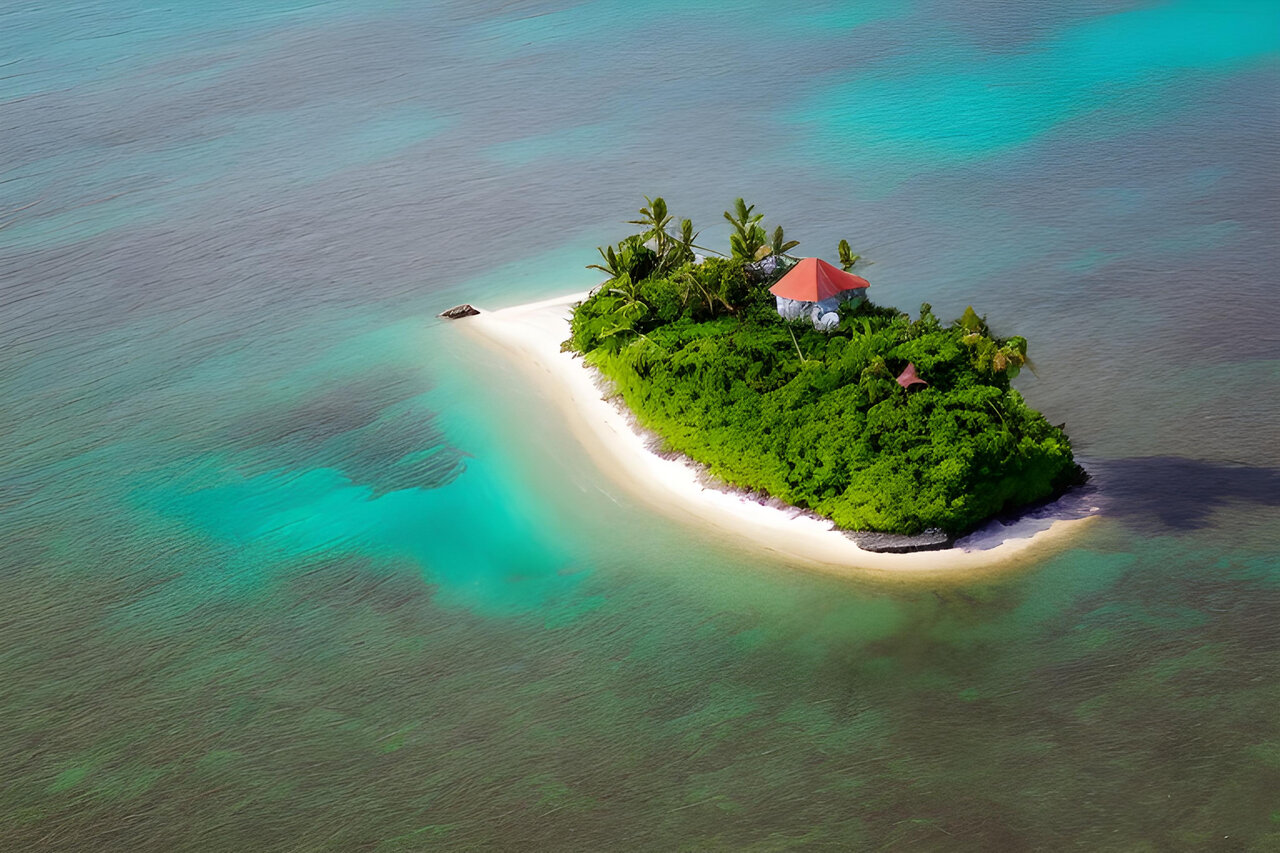
Artificial islands aren’t new – they were used in ancient Egypt, the Aztec Empire, England and elsewhere for agricultural and ceremonial purposes. In modern times, artificial islands are often created through land reclamation. Existing islands, rocks or coral reefs can serve as the base, with cement poured on top of sand from the seafloor to enable construction. Artificial islands’ applications range from mineral extraction and harbors to resorts, ecological preserves, military bases and various commercial activities.
Diverse applications
Prominent examples include Ellis Island off New York City; the six Venetian Islands off Miami; New York’s Little Island, built on 132 concrete columns on the Hudson River and which includes park space and an amphitheater; the “Palm Tree Islands” off the coast of Dubai; and Kansai International Airport in Japan, the first such facility to be built completely on an artificial island.
Marker Wadden, a 3,200-acre archipelago in the Netherlands built from lake floor sand and mud, provides a protected environment for plants, fish, birds and insects. A man-made island in Qatar that hosts residences and hotels spans nearly 4 million square meters. China is creating islands in an expanse of thousands of acres in the South China Sea.
Seeking a nuanced approach
Some observers regard increased use of artificial islands as inevitable. “New water housing solutions will become increasingly common, if not absolutely necessary, and artificial islands will play a key role in the climate challenge,” according to Domus, a prominent Italian architecture and design magazine, giving many cities a way “to expand out into the sea and [open] up the possibility of moving settlements, activities, nature and entertainment beyond their normal boundaries.”
But artificial islands are controversial, drawing opposition for biodiversity, water quality, wave dynamics, erosion patterns, coral reefs and migratory species reasons. For example, environmentalists have appealed to the European Court of Justice against a plan to build a 1-square-mile island off the coast of Copenhagen, Denmark, that would house 35,000 people and protect the city’s port from rising sea levels.
Some observers hope that a balance of interests can be struck. “In the face of growing overpopulation, climate crisis and resource scarcity, the story of artificial islands serves as a reminder of our capacity to shape the built environment. As we navigate the complexities of modern development, the narrative of artificial islands underscores the importance of harmonizing progress with environmental stewardship,” says ArchDaily, an online platform for architectural issues.
“The issue of whether or not to build artificial islands may therefore be more nuanced than simply condemning them for harming the environment. Perhaps, in some cases, their positive effects may outweigh the harmful ones,” adds an examination of the issue published in Oxford University’s student newspaper.