Voyager Suite
 Breeze
 Virtuoso
 Investment Suite
 RentCafe Suite
 REACH by RentCafe
 CommercialCafe Suite
 Elevate Suite
 Procure to Pay Suite
  Energy Suite
 Aspire
 RightSource
 Care Suite
 Matrix
 Yardi Kube Suite
 ScreeningWorks Pro
  Yardi Corom


















Here’s the latest of our periodic updates on energy conservation technologies being developed under the sponsorship of Advanced Research Projects Agency-Energy (ARPA-E), the R&D arm of the U.S. Department of Energy (DOE).
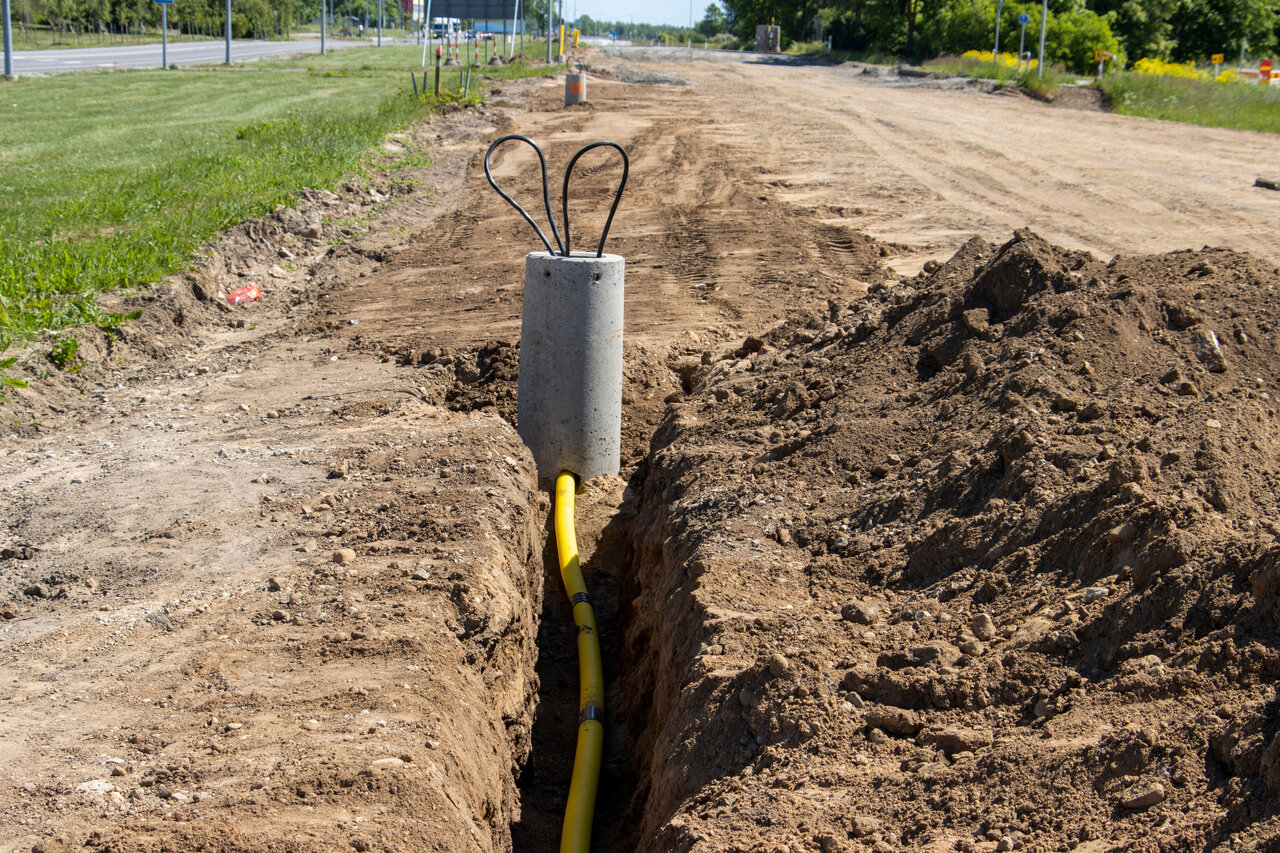
Grid goes underground
In January, the DOE announced funding for 12 projects designed to develop cost-effective, high-speed and safe undergrounding technologies.
The projects will seek to improve an electric power distribution system that includes more than 5.5 million line-miles and more than 180 million power poles. They are susceptible to damage by weather and its effects and account for a majority of power outages in the country. “DOE is supporting teams across the country as they develop innovative approaches to burying power infrastructure underground —increasing our resilience and bringing our aging grid into the 21st Century,” said Jennfer M. Granholm, Secretary of Energy.
Universities, businesses and national labs receiving contracts under this initiative include Arizona State University, which will develop a water-jet underground construction tool that will eliminate the need for a hard drill bit; GE Vernova Advanced Research of Niskayuna, N.Y., which will develop a robotic worm tunneling construction tool capable of digging and installing underground conduits and cables in a single step; Pacific Northwest National Laboratory of Richland, Wash., which will employ artificial intelligence and augmented reality to identify existing utilities and other subsurface obstacles to installing underground power distribution lines; and Honolulu-based Oceanit, which will develop a look-ahead subsurface sensor system.
Metals from macroalgae
Funding announced in November will explore the feasibility of extracting rare earth elements (REEs), used in high performance electric motors and generators, and platinum group metals (PGMs), essential elements of decarbonization technologies, from marine macroalgae. The initiative supports a goal of securing a domestic supply chain for critical minerals and achieving U.S. net-zero goals.
Teams involved in this project include University of Alaska Fairbanks, which will investigate the accumulation potential of REEs in hyper-accumulating seaweed species and how natural erosion transports rare earth elements from ridges to the ocean; Pacific Northwest National Laboratory in Sequim, Wash., which is charged with devising methods to efficiently extract REEs and PGMs from macroalgae; and Umaro Foods of Berkeley, Calif., which will leverage non-destructive chemical processes to efficiently extract REEs and PGMs from seaweed.
CO2 stored as liquid
An ARPA-E-managed program announced in December, called the Grid-free Renewable Energy Enabling New Ways to Economical Liquids and Long-term Storage (GREENWELLS), seeks to develop the means to convert carbon dioxide and an intermittent feedstock of electricity or hydrogen to carbon-containing liquids.
If successful, GREENWELLS technologies will provide low-cost carbon-containing liquids that enable renewable energy transportation and storage. They could also serve as needed fuels for difficult-to-decarbonize sectors and speed the development of renewable energy projects by supporting off-grid applications.
“I look forward to seeing teams that will work to store and transport renewable energy as a liquid through our new GREENWELLS program,” said ARPA-E Director Evelyn N. Wang.
As an ENERGY STAR® Partner of the Year, Yardi stands at the forefront of driving energy efficiency and innovation in property management. Learn more about Yardi Energy Solutions or request more information.