Voyager Suite
 Breeze
 Virtuoso
 Investment Suite
 RentCafe Suite
 REACH by RentCafe
 CommercialCafe Suite
 Elevate Suite
 Procure to Pay Suite
  Energy Suite
 Aspire
 RightSource
 Care Suite
 Matrix
 Yardi Kube Suite
 ScreeningWorks Pro
  Yardi Corom

















When conversation shifts to home automation, references to Mille nnials are rarely far behind. While it’s true that the emerging generation of homeowners loves their tech toys, they aren’t the only ones harnessing the power of smart home technology. Senior living providers have joined other industry leaders in the pursuit of more automated options for residents as well.
Amazon + Senior Housing
Amazon has made huge strides as a provider of integrated automation and voice control for major home builders across the industry, including prominent developers Lennar and Shea Homes. Communities created by these companies are part of a growing “Wi-Fi Certified” trend, offering housing with built-in automation and voice control. For seniors, that means controlling features within their homes and interacting with the outside world is simplified, thanks to voice commands.
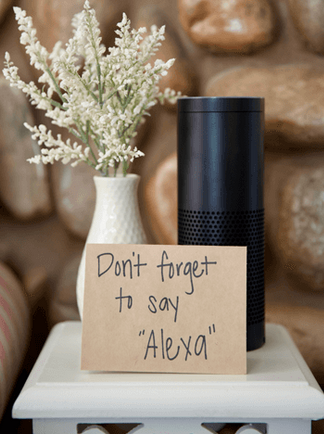
Enabling the integration is Amazon’s Alexa, a cloud-based virtual assistant, which appears in various forms throughout the homes. She’s most often takes shape as a sleek, tabletop pillar in the Echo line of products. Through Alexa, seniors can set reminders for appointments and medications; control music and home ambiance; check weather; get news and sports updates; and order just about anything fathomable on Amazon.com.
Amazon Echo Dot speakers permit seniors to access Alexa anywhere in their home. They also serve as Bluetooth speakers that are capable of connecting to a myriad of seniors’ personal devices.
With so many ways to integrate, Amazon’s variations on Wi-Fi centric homes are quickly becoming the new standard for incoming baby boomers, but the tech toys come with a few caveats.
Too Smart for Its Own Good?
As technology develops at a rapid pace, home builders are left wondering just how quickly their newly installed gadgets will become obsolete. Alternatively, what are the costs associated with staying up-to-date and on trend? While software within the Echo line of products may update automatically, for example, what happens when the hardware itself becomes outdated?
Security is also a major concern for Wi-Fi enabled homes. Invasion of privacy, remote control by strangers and identity theft are common worries for seniors and their loved ones. While Amazon works behind the scenes to prevent such attacks, cloud-based services do not demonstrate proven immunity to penetration.
Another looming question is how automation may affect quality of life. Seniors can order groceries, refill prescriptions, and contact friends and family without ever leaving their bedroom. While this is good news for immobile seniors, it can create a culture of immobility among seniors that would be otherwise active. Sedentary and isolated lifestyles lead to a lower quality of living, which can affect physical and mental well-being.
All trade-offs considered, one thing’s certain: smart homes have the potential to enhance the everyday lives of seniors, many of whom are becoming increasingly savvy themselves, waiting to see what tech companies will think of next.