


 Voyager Suite
 Breeze
 Virtuoso
 Investment Suite
 RentCafe
 CommercialCafe Suite
 Elevate Suite
 Procure to Pay Suite
  Energy Suite
 Aspire
 RightSource
 Care Suite
 Matrix
 WorkCafe
 Yardi Kube Suite
 ScreeningWorks Pro
  Yardi Corom



















Multifamily professionals are torn when it comes to LEDs. While many love the idea of a bulb that lowers utility bills without sacrificing brightness, they aren’t in love with the high upfront costs. It can also be hard to tell when it’s worthwhile to invest in LEDs when halogen, fluorescent, CFL, or even incandescent bulbs might suffic e. A few tips might make the decision easier.
When it comes to longevity, LEDs are hard to beat. LED lamps can last up to 50,000 hours, outliving the average incandescent bulb by more than 10 times. This makes them ideal for hard to reach places like stairwells, parking lot posts, and ceiling-mounted security fixtures. LEDs are also incredibly useful for fixtures that must stay lit day and night.
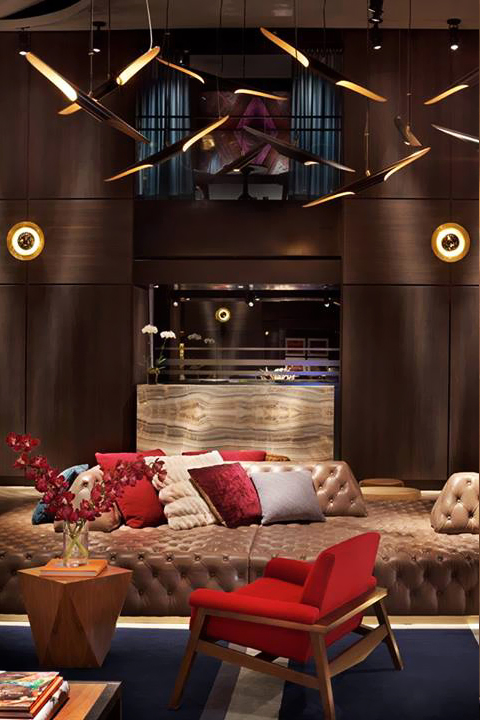
The light emitting diodes also have less practical and more fashionable applications. LEDs are now more versatile than ever, making them ideal for eye-catching applications in hip, newly constructed buildings. Different colors and warmths allow lighting designers to explore endless interior and exterior possibilities. Like their incandescent cousins, LEDs can now be dimmed, a feature that designers have craved for years. There is even a new line of OLEDs with thin, flexible lamps that promise innovative new creations like poster-thin televisions for fitness centers and bedroom windows that turn into lamps at night.
Though the advantages of LEDS are evident, you must first make sure that you can provide the proper housing for the bulbs to reap their full potential. The longevity of LEDs helps the lamps to pay for themselves in just 4-6 years but such returns aren’t a sure thing. James Youngston, IALD, LC Principal at Gabler-Youngston explains, “Retrofit lamps are rated for 50,000 hours but that’s based on turning them on is sockets by themselves, not actually putting them into fixtures that are in a hot ceiling.”
Fixtures in pre-existing structures may cause the bulbs to overheat, shortening their lifespan. If the bulbs fail before they have paid for themselves, they can’t live up to investor’s expectations. That’s a shame since the highest quality, most versatile bulbs may cost 28 times as much as incandescent bulbs.
To ease such fears, the market has seen an influx of more affordable retrofit LEDs. These products help businesses decrease upfront costs while potentially saving money on utility bills. Yet for developers who seek consistency throughout several projects, the more economical bulbs may prove to be a disappointment. Low-cost bulbs often demonstrate poorer light quality and inconsistency between products.
To learn more about the benefits and applications of LEDs as well as developments in OLEDs, read “A World of Promise” in Multi-Housing News Magazine.