Voyager Suite
 Breeze
 Virtuoso
 Investment Suite
 RentCafe Suite
 REACH by RentCafe
 CommercialCafe Suite
 Elevate Suite
 Procure to Pay Suite
  Energy Suite
 Aspire
 RightSource
 Care Suite
 Matrix
 Yardi Kube Suite
 ScreeningWorks Pro
  Yardi Corom

















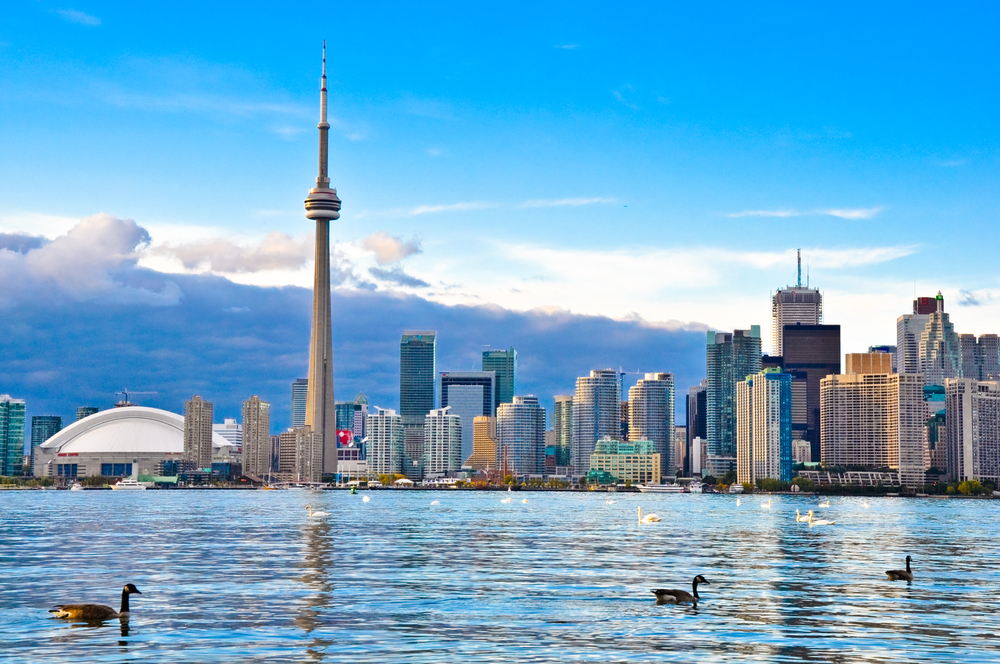
Toronto shines as North America’s greenest city according to the Sustainable Cities Index, coming in at a respectable 12th place out of 50 cities. It is the only Canadian city to make the list. European and Asian cities continue to dominate the top rankings each year but Toronto is poised for great er gains.
The Arcadis Sustainable Cities Index analyzes 20 metrics in areas such as environmental impact, quality of life, and economic performance. Toronto placed 9th in environmental impact, 15th in quality of life and 18th in profits. A looming population boom may serve as the perfect motivation to improve the country’s environmental impact rating.
Within the next 15 years, Toronto’s population is estimated to grow by 25 percent. Infrastructure is developing to meet the needs of the growing population: Ontario earmarked $130 billion over the next decade for new transit, roads, bridges, and similar projects. As part of this plan, GO bus and train lines are expanding services to James North, Stoney Creek, Hamilton, Georgetown South, Kitchener, Unionville and Agincourt. The Scarborough subway will bring additional services to the north by the end of summer 2016.
Those improvements are only the first frontier. Premiere Wynne presented a challenge earlier this year for all levels of government to increase investment from 3-3.5 percent to 5 per cent of the nation’s $2 trillion gross domestic product (GDP). The bump in funding will be dedicated to infrastructure renewal each year.
But even with adequate infrastructure to meet the needs of residents and visitors, one of the greatest challenges will be supplying the population with sustainable energy. The city currently has about 60 renewable energy installations. (That quantity is small scale compared to other cities of its size, though it’s better than other cities in North America.) The new hydro-powered Copeland Transformer Station, which is currently under construction, will support the overloaded Windsor Station as new residential and office spaces are added to the downtown corridor. Bullfrog Power is also pitching in by leading a growing number of initiatives throughout the region. The energy provider offers services and funding for green power via hydropower, wind turbines, and biogases. These combined efforts aim to mitigate blackouts, brownouts, and reliance on environmentally irresponsible energy sources.
While the Sustainable Cities Index is a great way to promote change, rally local pride and friendly international competition, the report serves a greater purpose. The data collected can be used as a resource library for cities to learn from each other. Mistakes, successes, and innovations that influence the current list can impact future decision-making. As the city continues to see uncharacteristically cold temperatures for longer periods of time, Toronto could benefit from the insights of Copenhagen or Frankfurt regarding cold weather infrastructure improvements, for example. The list was created to encourage such dialogues and promote collaboration across national boundaries.
To learn more about the Sustainable Cities Index and Toronto’s data, visit Arcadis.