


 Voyager Suite
 Virtuoso
 Investment Suite
 RentCafe Suite
 REACH by RentCafe
 CommercialCafe Suite
 Elevate Suite
 Procure to Pay Suite
 Aspire
 Yardi Kube Suite
 Yardi Corom












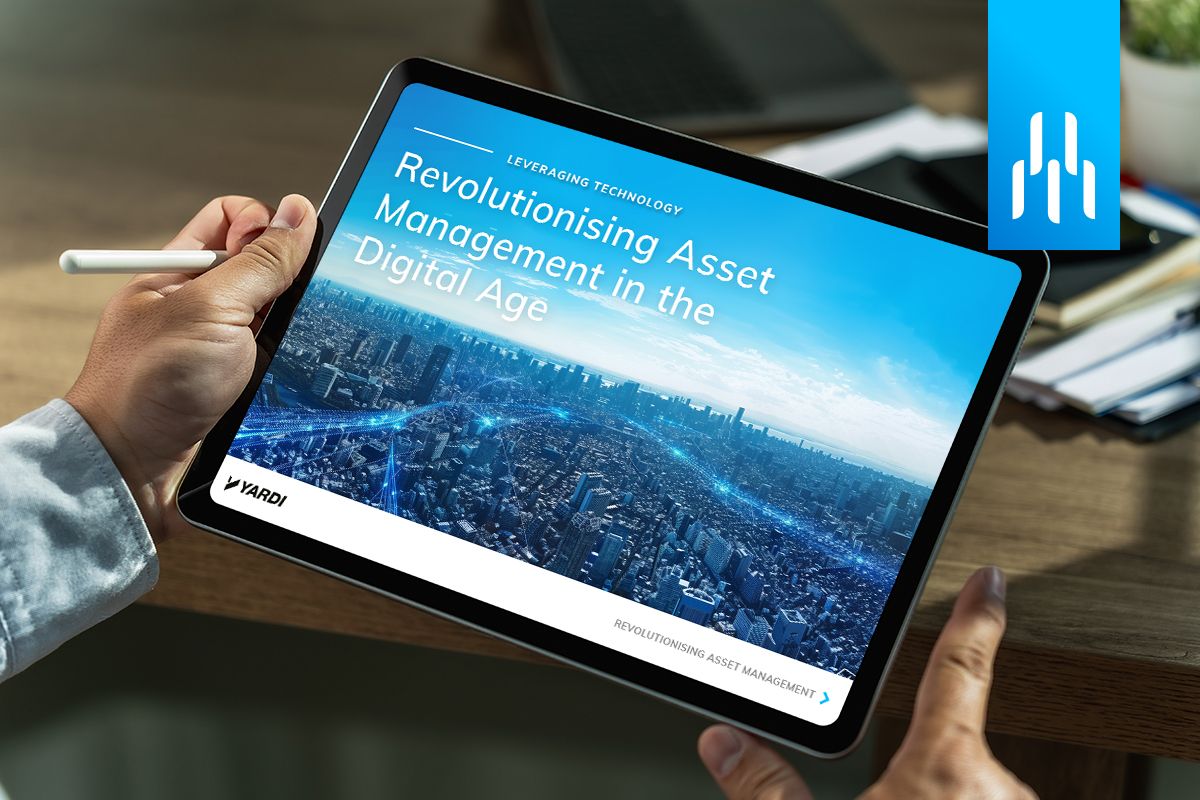
Technology has had a transformative impact on real estate asset management. In our latest ebook, we explore the rise and pivotal role technology has had in enhancing decision-making through artificial intelligence (AI) and machine learning (ML) in the digital age.
The Rise of Technology in Asset Management
The adoption of technology in asset management has witnessed an unprecedented surge, fuelled by the exponential growth of data and the demand for operational efficiency. Traditional manual processes are being replaced by sophisticated digital solutions, with over 90% of asset managers embracing technologies such as cloud computing, Internet of Things (IoT) devices and data analytics. This seismic shift underscores a fundamental change in operational processes, with an emphasis on transparency –
“A unified management infrastructure nurtures heightened transparency and enriches communication pathways between investors and asset managers. The adoption of such property technologies is essential for organisations looking to deploy impactful tools that strengthen investor confidence, ensure transparency and optimise asset performance.”
Richard Gerritsen, senior director for Yardi
Facilitating Real Estate Adaptation
In Europe’s dynamic real estate markets, agility is key. Traditional office spaces decreased by 14% in 2023, while flexible space expanded by 4%. Technology offers invaluable insights for repositioning portfolios, predicting market trends and making swift decisions. With scenario planning and stress testing, asset managers can navigate changes and foster long-term growth for their investment.
AI & Machine Learning Empower Decision-Making
AI and machine learning (ML) have become essential for asset managers and are described as the “epitome of business” due to their exceptional learning capabilities. These technologies forecast market trends, assess asset values and augment investment strategies – reforming asset management practices.
Automation Boosts Efficiency
Automation streamlines operations, reduces errors and frees up time for strategic initiatives. Tasks like data entry and compliance can be automated, achieving significant cost savings. At the end of 2023, it was also stated that 83% of organisations are currently experimenting with Generative AI with chatbots to enhance customer service, increase satisfaction and reduce operational costs.
Enhancing Satisfaction & Asset Value
According to Salesforce’s report, “State of the Connected Customer”, 81% of customers expect faster service as technology progresses. Technology-driven solutions, such as IoT sensors and remote monitoring, encourage proactive maintenance, extending asset lifespan and minimising downtime. Also, predictive maintenance capabilities help foresee equipment failures, thus enhancing reliability and elevating tenant satisfaction.
Mitigating Risks with Technology
Technology plays a crucial role in helping asset management firms overcome numerous challenges and risks. From identifying tenants at risk of default to mitigating economic and financial risks inherent in commercial real estate portfolios. By harnessing efficient solutions like IoT, AI and ML, businesses can unlock the full potential of their assets and gain a competitive edge in today’s digital world.
To learn more about how real estate technology is transforming asset management, read the full ebook – “Leveraging Technology: Revolutionising Asset Management in the Digital Age” and unlock more potential for your real estate operations.