


 Voyager Suite
 Virtuoso
 Investment Suite
 RentCafe Suite
 REACH by RentCafe
 CommercialCafe Suite
 Elevate Suite
 Procure to Pay Suite
 Aspire
 Yardi Kube Suite
 Yardi Corom


Procure to Pay
Go paperless and reduce manual tasks
Give real estate operations leaders stronger control over purchasing and invoice processing, helping reduce risk, eliminate unauthorised spending and improve financial alignment across all properties.
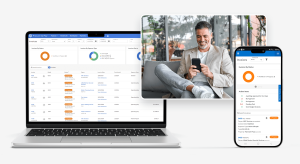
Features
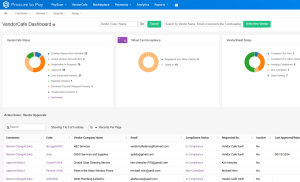
Controlled and Compliant Purchasing
Approved catalogues and guided buying workflows ensure that teams purchase the right items from approved suppliers. This reduces unapproved spending and improves adherence to procurement policies across the organisation.
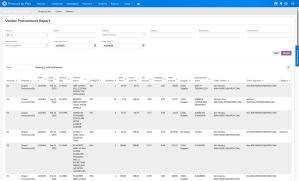
Streamlined Invoice Processing
Digital invoice capture and automated matching help ensure accuracy and reduce the workload associated with manual entry. Exceptions are routed through structured workflows, keeping processes moving without compromising control.
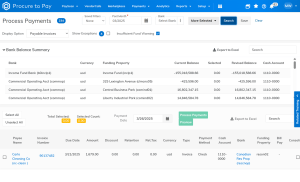
Supplier Collaboration and Efficiency
Supplier self‑service portals reduce administrative work by allowing vendors to submit invoices, update documentation and track payment status independently. This improves transparency and accelerates turnaround times.
Spend Analysis and Reporting
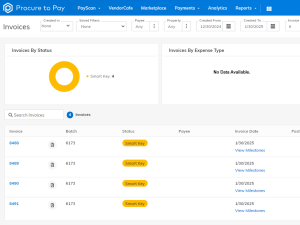
Leaders gain visibility into spend across suppliers, categories and properties, supporting strategic budgeting and negotiation. This insight helps identify inefficiencies and improve procurement planning.
FAQ
Yardi Procure to Pay is a centralised, paperless purchasing and invoice‑processing solution that connects procurement, approvals, invoicing and payment workflows in one system. It allows operations teams to control spend, eliminate manual paperwork and gain better visibility across suppliers, categories and properties.
The platform automates purchasing and invoicing tasks such as PO creation, approval routing, invoice capture and electronic payments. This removes manual data entry, reduces errors and frees up operational staff to focus on higher-value work.
Yes. It includes curated online catalogues that guide teams toward approved suppliers and compliant purchasing options. This ensures consistency across sites and prevents unapproved spend.
Approval workflows follow predefined routing rules based on organisational policies. Approvals are handled digitally, reducing delays and providing complete audit trails for governance.
Yes. The system enables electronic invoice submission, processing and payment, significantly speeding up the end-to-end vendor payment lifecycle and reducing paperwork.
Yes. Suppliers can submit invoices, track payments and update documentation through digital tools, reducing admin for both sides and improving payment reliability.
Procure to Pay includes portfolio-wide spend reporting and analytics. Leaders can monitor purchasing patterns, track budget performance and identify opportunities for cost savings.
Centralised purchasing and invoice workflows help enforce compliance, prevent unauthorised spend, reduce duplicate invoices and provide audit-ready visibility across all transactions.
Yes. Purchasing and invoice data sync automatically with Yardi Voyager, ensuring accurate accounting, streamlined reconciliation and a single source of truth.
The system standardises purchasing processes across the business. Central catalogues, unified workflows and portfolio reporting ensure consistency and control even in large, multi-site operations.
Yes. Automation minimises manual tasks, speeds up approvals, reduces errors and improves visibility – resulting in lower processing costs and more efficient procurement activity.